
Disposable vs. Refillable CO2 Cylinders: Which is Right for Your Business?
One of the most important decisions in the sparkling water industry is whether to use disposable (single-use) or refillable CO2 cylinders. The choice affects your cost structure, customer experience, environmental footprint, and regulatory compliance. Let’s break it down.
Cost Comparison
| Factor | Disposable Cylinder | Refillable Cylinder |
|---|---|---|
| Initial cost per unit | $3-5 | $8-15 |
| Cost per liter of carbonated water | $0.08-0.12 | $0.03-0.05 |
| Annual cost (household use) | $50-80 | $15-30 + refill costs |
| Business margin potential | Higher per unit | Lower per unit, recurring revenue |
| Shipping cost per unit | Lower (lighter) | Higher (heavier construction) |
Safety Comparison
Disposable Cylinders
- Lower maximum pressure rating
- Thin-wall construction — cannot be retested
- Must be completely emptied before disposal
- Cannot be transported with residual gas
- Regional disposal regulations vary significantly
Refillable Cylinders
- Higher pressure rating (thicker walls)
- Periodic hydrostatic retesting required (10-year cycle)
- Professional refill stations ensure proper filling
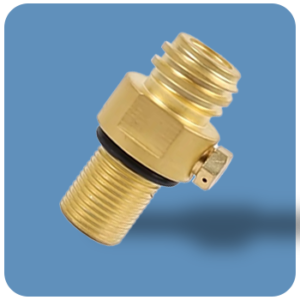
- Safety relief valve prevents over-pressurization
- DOT/CE certification with revalidation schedule
Environmental Impact
Disposable Cylinders
- ~1.2 million disposable CO2 cylinders enter landfills annually in the US alone
- Steel recycling is possible but requires proper emptying
- Carbon footprint: manufacturing + disposal per use cycle
- Some markets (EU) increasingly restricting single-use pressure vessels
Refillable Cylinders
- One cylinder can serve for 20+ years with proper maintenance
- 70-90% lower lifecycle carbon footprint vs. disposable
- Aligns with EU circular economy directives
- Growing consumer preference for sustainable options
- VS Cylinder refillable cylinders exceed 15,000 fill cycles in testing
Business Model Implications
If You Sell Disposable Cylinders
- Higher per-unit margin
- Simple logistics — no refill infrastructure needed
- Recurring purchase behavior from consumers
- Growing regulatory pressure in EU markets
- Brand risk from environmental criticism
If You Sell Refillable Cylinders
- Lower per-unit margin but long-term customer retention
- Need refill infrastructure (exchange programs or refill stations)
- Stronger brand positioning as “sustainable”
- Compliance advantage in regulated markets
- OEM opportunity — branded refillable cylinders become a marketing asset
VS Cylinder: Supporting Both Models
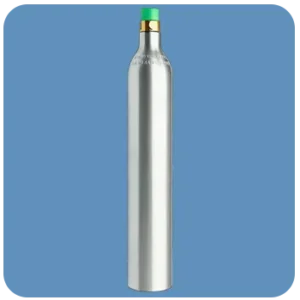
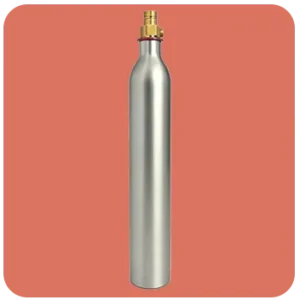
VS Cylinder manufactures both disposable and refillable CO2 cylinders:
- Disposable: 425g 0.6L with pin valve — optimized for consumer convenience
- Refillable: 425g 0.6L with on/off valve — designed for exchange programs
- Both certified DOT/CE/TPED
- OEM branding available on both types
- Custom packaging and logistics support
Our Recommendation
For B2B distributors targeting the EU market, we strongly recommend refillable cylinders — regulatory trends are moving against disposables, and the sustainability premium commands higher retail prices.
For US consumer market distributors, disposable cylinders remain viable but plan a transition strategy. Several states are considering single-use pressure vessel restrictions.
For OEM brand builders, branded refillable cylinders create lasting brand visibility in consumers’ homes — far more valuable than a disposable unit that disappears after one use.
Want to discuss which model fits your business? Contact VS Cylinder for a custom consultation and factory-direct pricing.