
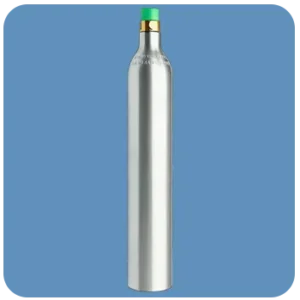
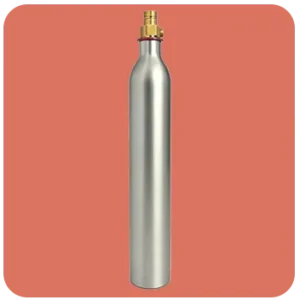
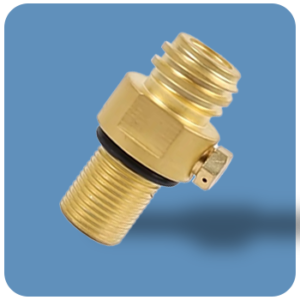

Proper storage and transportation of CO2 cylinders is not just a best practice—it is a legal requirement and a critical safety measure. Improperly stored cylinders can become projectiles, leak dangerous amounts of CO2, or even rupture catastrophically. For B2B sellers who warehouse and ship CO2 cylinders, understanding and implementing proper safety protocols protects your business, your employees, and your customers.
Why Storage and Transportation Safety Matters
CO2 cylinders are pressure vessels containing compressed gas. Under normal conditions, they are safe and stable. But when subjected to improper storage conditions—particularly excessive heat, physical damage, or improper handling—they can become dangerous. The risks include:
- Pressure buildup from heat exposure: CO2 pressure increases dramatically with temperature. A cylinder stored in direct sunlight or near heat sources can reach pressures exceeding its design limits.
- Valve damage from impact: The valve is the weakest point on a cylinder. A fall or impact can damage the valve, causing rapid gas release or turning the cylinder into a projectile.
- CO2 asphyxiation hazard: CO2 is an asphyxiant. In enclosed spaces, a leaking cylinder can displace oxygen and create a deadly atmosphere. CO2 is heavier than air and will accumulate in low-lying areas.
- Corrosion from moisture: Steel cylinders are particularly vulnerable to corrosion from humid storage conditions, which can compromise structural integrity over time.
Warehouse Storage Guidelines
Temperature Control
Temperature is the most critical factor in CO2 cylinder storage. The storage area must maintain temperatures within safe limits:
- Optimal range: 10 to 25 degrees Celsius (50 to 77 degrees Fahrenheit)
- Maximum safe temperature: 49 degrees Celsius (120 degrees Fahrenheit). Above this temperature, internal pressure may exceed safe limits.
- Minimum temperature: -29 degrees Celsius (-20 degrees Fahrenheit). Below this, some cylinder materials become brittle.
Storage areas should be climate-controlled and monitored. Install temperature alarms that alert staff if temperatures approach critical limits. Never store cylinders near heat sources such as furnaces, radiators, or direct sunlight through windows.
Ventilation Requirements
CO2 storage areas must be well-ventilated to prevent gas accumulation in case of leaks:
- Natural ventilation with openings at both high and low points (CO2 is heavier than air, so low-level ventilation is essential)
- Mechanical ventilation for enclosed storage areas, with a minimum of 6 air changes per hour
- CO2 concentration monitors with alarms set to trigger at 0.5% concentration (well below the dangerous threshold of 5%)
- Never store cylinders in basements, pits, or other areas where CO2 can accumulate
Stacking and Positioning Rules
How cylinders are physically stored matters as much as environmental conditions:
- Upright storage: CO2 cylinders should always be stored upright unless specifically designed for horizontal storage. Upright storage prevents liquid CO2 from reaching the valve.
- Secured against tipping: Use chains, brackets, or cylinder racks to secure cylinders against tipping. A falling cylinder can damage the valve and become a projectile.
- Stacking limitations: Do not stack filled cylinders more than two tiers high without proper racking systems. Use pallets designed for cylinder storage.
- Spacing: Maintain at least 1 meter of clearance between cylinder groups for safe access and ventilation.
- Valve protection: Keep valve protection caps in place during storage. Never store cylinders without their protective caps.
Segregation and Compatibility
CO2 cylinders should be stored separately from incompatible materials:
- Store away from flammable materials, fuels, and chemicals
- Maintain separation from oxidizer cylinders (oxygen, nitrous oxide) by at least 6 meters or a fire-rated barrier
- Keep empty and full cylinders in separate areas, clearly labeled
- Store cylinders awaiting return or disposal in a separate, labeled area
Retail Display Safety
For B2B sellers who also sell through retail channels, retail display of CO2 cylinders requires special attention:
Display Location
- Avoid placing cylinder displays near entrances, exits, or emergency equipment
- Keep displays away from heat sources, including space heaters and sunny windows
- Ensure displays do not block aisles or emergency exits
- Use secure display racks that prevent cylinders from being knocked over by customers
Customer Handling Safety
- Display clear warning signage about the hazards of CO2 cylinders
- Train retail staff on safe cylinder handling and emergency procedures
- Provide handling instructions on or near the display
- Restrict customer access to bulk quantities; sell from behind a counter for larger orders
Inventory Rotation
- Use first-in-first-out (FIFO) inventory rotation to prevent cylinders from sitting in storage too long
- Check cylinders periodically for signs of damage, corrosion, or valve deterioration
- Remove and properly dispose of any cylinders showing signs of damage
Transportation Safety Guidelines
Vehicle Requirements
Transporting CO2 cylinders requires appropriate vehicles and equipment:
- Open or ventilated vehicles: Never transport cylinders in the passenger compartment of a closed vehicle. Use open-bed trucks or vehicles with adequate ventilation between the cargo area and passenger area.
- Cylinder securing: All cylinders must be secured during transport using straps, brackets, or cylinder racks. Unsecured cylinders can shift and cause valve damage or vehicle accidents.
- Valve protection during transport: Keep protective caps on during all phases of transportation. Remove caps only when the cylinder is ready for use.
- Temperature during transport: Avoid transporting cylinders in vehicles where cargo area temperatures may exceed 49 degrees Celsius. In hot weather, transport during cooler hours or use climate-controlled vehicles.
Loading and Unloading Procedures
Proper loading and unloading prevents most transportation-related cylinder damage:
- Never drop, roll, or slide cylinders during loading or unloading
- Use cylinder carts or hand trucks designed for gas cylinders
- Always load cylinders in the upright position unless they are specifically designed for horizontal transport
- Inspect each cylinder for damage before loading and after unloading
- Do not lift cylinders by the valve or valve protection cap
Shipping Documentation and Labeling
When shipping CO2 cylinders, proper documentation and labeling are required:
- Hazmat classification: CO2 cylinders are classified as dangerous goods under UN 1013 for compressed CO2 or UN 2187 for refrigerated liquid CO2.
- Shipping papers: Include proper shipping name, UN number, hazard class (2.2), and packing group on shipping documents.
- Vehicle placarding: Vehicles transporting cylinder quantities above the threshold must display appropriate hazardous material placards.
- Driver training: Drivers must hold appropriate hazardous materials training certifications.
- Packaging: Individual cylinders must be packaged to prevent movement and damage during transport. Use custom cylinder packaging with foam inserts and sturdy outer cartons.
International Shipping Considerations
For B2B exporters shipping CO2 cylinders internationally:
- Follow IATA regulations for air freight and IMDG code for sea freight
- Each cylinder must bear valid certification marks recognized in the destination country
- Include certificates of origin and compliance documentation with the shipment
- Verify import regulations for the destination country, as some countries have additional restrictions on gas cylinder imports
- Consider using specialized dangerous goods freight forwarders for international shipments
Regulatory Compliance for Storage and Transportation
CO2 cylinder storage and transportation are regulated by multiple authorities:
US Regulations
- OSHA: Occupational Safety and Health Administration regulates workplace cylinder storage (29 CFR 1910.101)
- DOT: Department of Transportation regulates cylinder transportation (49 CFR)
- NFPA: National Fire Protection Association standards for cylinder storage (NFPA 55)
EU Regulations
- ADR: European Agreement concerning the International Carriage of Dangerous Goods by Road
- TPED: Transportable Pressure Equipment Directive for cylinder manufacturing and certification
- National regulations: Individual EU countries may have additional storage requirements
International Standards
- ISO 10297: Cylinder valve specifications and testing
- ISO 11114: Cylinder and valve compatibility with gas content
- UN Recommendations: UN Recommendations on the Transport of Dangerous Goods
Emergency Procedures
Every facility storing or transporting CO2 cylinders must have emergency procedures in place:
Leaking Cylinder
- Evacuate the immediate area and alert others
- If safe to approach, check if the valve can be closed
- Move the cylinder to a well-ventilated outdoor area
- Do not attempt to repair a damaged valve
- Contact the supplier or a hazardous materials response team
Cylinder Fire Exposure
- Evacuate the area immediately
- Call emergency services
- Do not approach cylinders that have been exposed to fire
- Cool nearby cylinders with water spray from a safe distance
- Allow cylinders to cool completely before inspection
Cylinder Damage
- Isolate the damaged cylinder in a safe, ventilated area
- Label the cylinder as damaged and do not use
- Arrange for professional inspection or disposal
- Never attempt to use a damaged cylinder
Training Requirements for Staff
All employees who handle, store, or transport CO2 cylinders must receive proper training:
- Initial training: Before first handling cylinders, covering hazards, safe handling, and emergency procedures
- Periodic refresher training: At least annually, to maintain awareness and update on regulatory changes
- Emergency response training: Specific training on responding to leaks, fires, and other emergencies
- Documentation: Maintain records of all training sessions and participant sign-offs
Conclusion
Proper storage and transportation of CO2 cylinders is a critical responsibility for any B2B business handling pressurized gas cylinders. By following temperature control guidelines, ventilation requirements, stacking rules, transportation safety procedures, and regulatory compliance standards, you protect your employees, customers, and business from the risks associated with pressurized gas cylinders.
VS Cylinder provides comprehensive safety documentation with all our CO2 cylinder shipments, including storage guidelines, transportation requirements, and emergency procedures. Our cylinders meet all international safety standards and are packaged for safe transport to your facility. Contact us for detailed safety documentation and to discuss your storage and transportation requirements.