
Introduction
Importing CO2 cylinders across borders requires accurate HS code classification and complete customs documentation. A wrong code can trigger inspections, duty disputes, and shipment delays. In this guide, VS Cylinder explains the most common HS codes for CO2 cylinders and the customs clearance documents B2B buyers need when importing from China.
Common HS Codes for CO2 Cylinders
CO2 cylinders generally fall under Chapter 73 (iron or steel articles) or Chapter 76 (aluminum articles), depending on the material:
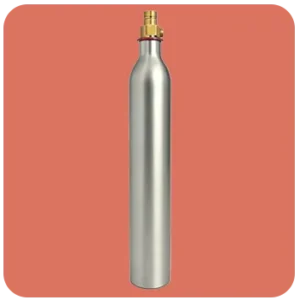
7311.00 – Containers for compressed or liquefied gas, of iron or steel. This is the typical heading for steel CO2 cylinders.
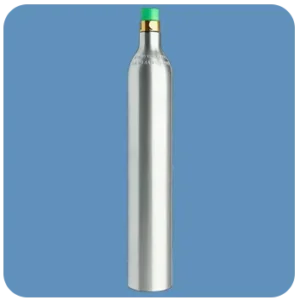
7613.00 – Aluminum containers for compressed or liquefied gas. Common for lightweight aluminum CO2 cylinders used in beverage and aquarium markets.
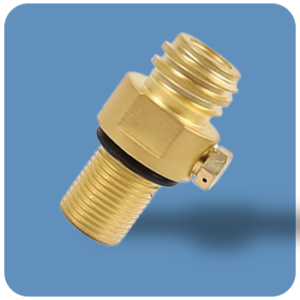
9024.90 / 9026.90 – In some cases, CO2 regulators, gauges, and accessories may fall under measuring instrument headings rather than container headings.
How to Determine the Correct HS Code
The correct HS code depends on the cylinder material, capacity, intended use, and whether the shipment includes valves, regulators, or other accessories. Buyers should request the supplier’s export declaration record and cross-check with their destination country’s customs database. Many countries, including the United States, EU member states, and Australia, offer free online tariff lookup tools.
Required Customs Documents
For smooth clearance, B2B buyers typically need:
Commercial invoice and packing list: Must accurately describe material, quantity, unit value, and total value.
Bill of lading or airway bill: The transport document issued by the carrier.
Certificate of origin: Required to claim favorable duty rates under free trade agreements.
Material test certificates: Prove compliance with DOT, ISO 9809, or TPED standards.
Dangerous goods declaration: Required if cylinders are shipped charged with gas or under pressure.
Import Duties and Taxes
Duty rates vary by country and by the agreed HS code. Steel and aluminum cylinders are often subject to standard metal-goods duties, but some regions apply additional anti-dumping or safeguard duties on Chinese steel and aluminum products. Buyers should confirm the final landed cost with a licensed customs broker before placing large orders.
Tips for Faster Customs Clearance
Work with an experienced freight forwarder and customs broker. Make sure product descriptions are consistent across all documents. Pre-clear shipments when possible, and keep digital copies of certificates and test reports ready for customs inspection.
Conclusion
Accurate HS code classification and complete documentation are essential for importing CO2 cylinders without delays. VS Cylinder supports B2B buyers with export declaration records, material certificates, and packing details to simplify customs clearance in every target market.