
Introduction
For B2B CO2 cylinder importers, ocean freight is one of the largest landed-cost components. Cylinders are rigid, stackable metal products, which means loading efficiency directly determines how much you pay per unit. This guide explains how to plan container loading for CO2 cylinders and reduce freight cost per piece.
Understand Container Dimensions and Weight Limits
A 20ft container offers about 28 cubic meters of usable space with a payload of roughly 21 to 28 tons depending on the shipping line, while a 40ft container offers about 58 cubic meters but often hits the road weight limit before it is full. Because small aluminum cylinders are light but bulky, and large steel cylinders are heavy but compact, the optimal container choice depends on your product mix.
Palletized vs Loose Loading
Palletized loading: Faster unloading, easier warehouse handling, and lower damage risk, but pallets consume 10 to 15 percent of container space.
Loose loading: Maximizes the number of cylinders per container and reduces freight cost per unit, but requires manual unloading and more careful packing.
Most B2B buyers choose pallets for retail-ready products and loose loading for bulk industrial orders.
Practical Loading Tips
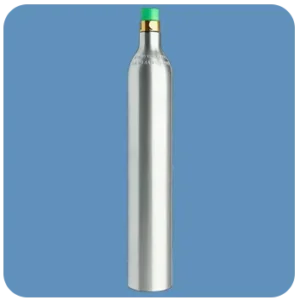
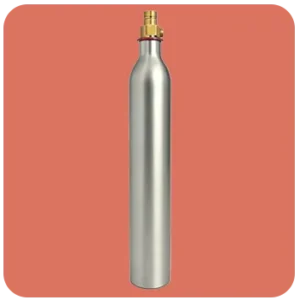
Stand cylinders upright in interlocking rows to maximize density and protect valve threads. Use cardboard layer sheets or foam nets between rows to prevent scratching on powder-coated surfaces. Place heavier cylinders on the floor level and lighter ones on top. Always secure the load with airbags or lashing straps to prevent shifting during ocean transit.
Dangerous Goods Considerations
Empty, unpressurized cylinders usually ship as general cargo, which keeps freight costs and documentation simple. Charged or pressurized cylinders require DG (dangerous goods) declarations, DG surcharges, and approved packaging, which can double the freight bill. Whenever possible, ship cylinders empty with valves installed to simplify logistics.
Calculating Cost per Cylinder
Divide the total freight charge by the number of cylinders loaded to compare loading plans. Moving from 2,400 to 2,900 cylinders in the same container reduces unit freight cost by roughly 17 percent, a saving that flows directly to your margin.
Conclusion
Smart container loading is one of the easiest ways to improve CO2 cylinder import margins. VS Cylinder provides detailed carton dimensions, loading plans, and loading photos for every B2B shipment, helping buyers maximize container utilization and minimize freight cost per unit.