How to Choose the Right CO2 Cylinder for Your Soda Maker

How to Choose the Right CO2 Cylinder for Your Soda Maker
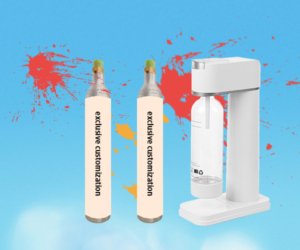
Choosing the right CO2 cylinder for your soda maker might seem like a small detail, but it can make a big difference in your sparkling water experience—from cost and convenience to sustainability and compatibility. With so many options on the market, it’s easy to feel overwhelmed. But fear not: we’re breaking down the key factors to consider, so you can pick a cylinder that fits your lifestyle, budget, and soda maker model perfectly.
First, Confirm Compatibility: Match the Cylinder to Your Soda Maker
The most critical step in choosing a CO2 cylinder is ensuring it works with your specific soda maker. Not all cylinders are universal—brands design their machines to fit specific cylinder types, valve sizes, or threading. Here’s how to avoid a mismatch:
1. Check the Brand & Model
Start by consulting your soda maker’s user manual or the manufacturer’s website. Most brands (like SodaStream, Aarke, KitchenAid, orVScylinder ) clearly state which cylinders are compatible. For example:
  • SodaStream’s home models typically use their proprietary 14.5 oz (410g) or 60L aluminum cylinders (with a unique thread valve).
  • Aarke machines work with standard 60L CO2 cylinders (compatible with third-party refills) as well as their own branded cylinders.
  • VScylinder with 20 years of experience in cylinder manufacturing, we are the first manufacturer to produce aluminum cylinders in China. We are committing to the principles of excellent cylinder performance, competitive prices, and considerate after-sales service.
2. Avoid Generic “One-Size-Fits-All” Risks
While some third-party brands claim their cylinders are “universal,” they may not fit securely or seal properly. A poor fit can lead to CO2 leaks (wasting gas and money) or even safety hazards. When in doubt, prioritize brand-authorized cylinders or third-party options explicitly listed as compatible with your model.
3. Valve Type Matters
Cylinders use different valve designs (e.g., pin valve, thread valve, or quick-connect valve) to attach to soda makers. For example:
  • SodaStream’s newer models use a “Quick Connect” valve for easy attachment, while older models may use a threaded valve.
  • Standard 60L cylinders often use a CGA 320 valve (common in North America) or a DIN valve (more common in Europe).
Double-check your soda maker’s valve type before purchasing—this information is usually in the manual or on the manufacturer’s support page.
Step 2: Choose Between Refillable vs. Disposable Cylinders
The next big decision is whether to go with refillable or disposable cylinders. This choice hinges on your priorities: convenience, cost, or sustainability.
Who Should Choose Refillable?
  • Frequent sparkling water drinkers (saving money over time).
  • Sustainability-focused users (minimizing plastic/waste).
  • Those with easy access to refill stations (e.g., nearby hardware stores like Home Depot or grocery stores like Walmart).
Who Should Choose Disposable?
  • Occasional users (not enough consumption to justify refill costs).
  • People without local refill options.
  • Renters or travelers who want a hassle-free solution.
Step 3: Consider Cylinder Size (Capacity)
CO2 cylinders come in different sizes, measured by either weight (oz/g) or the number of liters of sparkling water they can produce. The most common sizes for home soda makers are:
1. 14.5 oz (410g) / 60L Cylinders
  • The standard size for most home soda makers (SodaStream, Aarke, etc.).
  • Produces 60–80 liters of sparkling water (depending on fizz level—extra bubbly uses more CO2).
  • Ideal for individuals, couples, or small families (lasts 1–3 months for regular use).
  • Compact and easy to store (fits most kitchen cabinets or soda maker bases).
2. 20 oz (567g) / 100L Cylinders
  • Larger capacity, perfect for big families or heavy users (drink 2+ liters per day).
  • Produces 100–130 liters of sparkling water.
  • Slightly bulkier than 14.5 oz cylinders but still portable.
  • Compatible with select soda makers (e.g., DrinkMate, some Aarke models)—check compatibility first.
3. Mini Cylinders (8 oz / 227g)
  • Small, travel-friendly option (great for camping or RV trips).
  • Produces 30–40 liters of sparkling water.
  • Less common but useful for on-the-go use.
Pro Tip: Calculate your daily consumption to pick the right size. If you drink 1 liter of sparkling water per day, a 60L cylinder will last ~2 months. If you drink 3 liters per day, opt for a 100L cylinder to avoid frequent replacements.
Step 4: Prioritize Food-Grade CO2 (Non-Negotiable!)
No matter which cylinder you choose, always ensure it’s filled with food-grade CO2. Here’s why this is non-negotiable:
  • Food-grade CO2 is purified to meet safety standards (e.g., FDA in the U.S., EFSA in Europe) for human consumption—no impurities, odors, or toxins.
  • Industrial-grade CO2 (used for welding, fire extinguishers, or plant growth) may contain contaminants like oil, moisture, or other gases that can affect the taste of your sparkling water or even be harmful to drink.
How to verify? Look for labels like “Food-Grade CO2,” “Potable CO2,” or certifications from regulatory bodies. Brand-authorized cylinders always use food-grade CO2, but some third-party refillers may cut corners—stick to reputable providers.
Step 5: Evaluate Brand vs. Third-Party Cylinders
You’ll have two options for purchasing cylinders: brand-authorized (e.g., SodaStream cylinders for SodaStream machines) or third-party (e.g., generic aluminum cylinders compatible with multiple models). Here’s how to decide:
Brand-Authorized Cylinders
  • Pros: Guaranteed compatibility, food-grade CO2, strict safety testing, and manufacturer support. Many brands offer warranty coverage for issues related to their cylinders.
  • Cons: Often more expensive than third-party options.
Third-Party Cylinders
  • Pros: Cheaper (up to 30% less than brand-authorized), wider availability, and some offer eco-friendly refill programs.
  • Cons: Risk of compatibility issues or low-quality CO2. Only choose third-party cylinders if they’re explicitly listed as compatible with your soda maker and have positive reviews.
Red Flag: Avoid cylinders with no brand name, vague compatibility claims, or missing safety certifications (e.g., DOT, CE, or ISO stamps).
Step 6: Factor in Sustainability & Recycling
If eco-friendliness is a priority, here’s how to choose a cylinder that aligns with your values:
  • Opt for refillable aluminum cylinders (the most sustainable choice) over disposable ones.
  • Look for brands that offer carbon-neutral refill programs (e.g., SodaStream’s “Exchange Program,” which mails you a new cylinder and lets you return the empty one for recycling).
  • Avoid plastic cylinders (rare for home use but sometimes sold as “disposable”)—aluminum is far more recyclable.
Step 7: Check Safety Certifications
Safety should never be overlooked when choosing a high-pressure CO2 cylinder. Ensure the cylinder has been tested and certified by reputable organizations:
  • In North America: DOT (Department of Transportation) or TC (Transport Canada) certification.
  • In Europe: CE (Conformité Européenne) marking.
  • Globally: ISO (International Organization for Standardization) standards.
Certified cylinders are designed to withstand high pressure, resist corrosion, and prevent leaks. Avoid any cylinder without visible certification stamps—they may not meet safety standards.
Final Tips for Choosing the Right Cylinder
  1. Start with your soda maker’s manual: It will list compatible cylinder types, sizes, and brands—this is your best guide.
  1. Calculate long-term costs: If you’re a regular user, a refillable cylinder will save you money over 6–12 months.
  1. Test refill accessibility: Before buying a refillable cylinder, confirm there’s a local refill station or mail-in program near you (use brand websites or apps like Yelp to find locations).
  1. Read reviews: For third-party cylinders, check customer reviews to ensure compatibility and quality (look for comments about leaks or poor fit).
  1. Don’t skimp on quality: A cheap, uncertified cylinder may leak or contaminate your water—invest in a reputable option.
Wrapping Up: The Perfect Cylinder for Your Fizz
Choosing the right CO2 cylinder boils down to three core questions: Does it fit my soda maker? Does it match my usage and lifestyle? Is it safe and sustainable? By prioritizing compatibility, food-grade CO2, and your personal needs (convenience vs. cost vs. eco-friendliness), you’ll find a cylinder that keeps your homemade sparkling water flowing—without hassle, waste, or compromise.
Whether you opt for a refillable 60L cylinder to reduce your carbon footprint or a disposable one for easy use, the right choice will make every sip of bubbly water feel like a win. Cheers to finding your perfect CO2 match!
Soda Makers

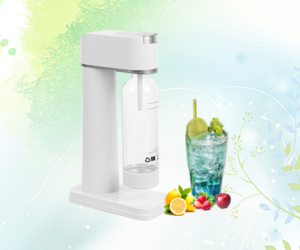
Soda Makers: The Game-Changer for Homemade Sparkling Water
If you’re a fan of sparkling water, you’ve probably noticed a shift in how we access that beloved fizz. Gone are the days of relying solely on store-bought bottles or cans—today, soda makers (also called sparkling water makers) have become a staple in kitchens around the world, putting the power to create bubbly water at your fingertips. From reducing plastic waste to customizing your fizz level, these handy devices are revolutionizing how we enjoy sparkling water. Let’s dive into everything you need to know about soda makers: their history, benefits, how to choose one, and why they’re a must-have for any fizz lover.
The Rise of the Home Soda Maker: From Lab Experiment to Kitchen Essential
The idea of making sparkling water at home isn’t new—it traces back to the scientific breakthroughs we explored in the history of sparkling water. Joseph Priestley’s 18th-century method of infusing water with CO2 was the first step, but early attempts at home carbonation were clunky, expensive, and limited to hobbyists. It wasn’t until the late 20th century that soda makers became accessible to the average household.
The game-changer came in 1903, when a Norwegian inventor named Otto Peterson patented the first portable soda maker, designed for home use. But it wasn’t until the 1970s that the modern soda maker as we know it emerged, thanks to brands like SodaStream (founded in 1903 but reimagined for mainstream consumers). By the 2000s, as sustainability and health consciousness grew, soda makers exploded in popularity. Suddenly, anyone could create calorie-free, plastic-free sparkling water in seconds—no more hauling heavy cases of bottles or contributing to landfill waste.
Today, soda makers are more advanced than ever. They’re sleek, compact, and designed to fit into even the smallest kitchens. With a range of features—from adjustable fizz levels to compatible flavor pods—they’ve evolved from a niche gadget to a must-have appliance for anyone who loves sparkling water.
Why Soda Makers Are Worth the Investment
If you’re on the fence about buying a soda maker, let’s break down the top reasons they’re worth every penny:
1. Sustainability: Reduce Plastic Waste
One of the biggest benefits of soda makers is their positive impact on the environment. The average person drinks over 100 liters of sparkling water per year—if that’s all from single-use plastic bottles, that’s a lot of waste. Most soda makers use reusable bottles (usually BPA-free plastic or glass) that can be refilled hundreds of times. Even the CO2 cylinders are recyclable or refillable, making soda makers a far more eco-friendly option than store-bought sparkling water. It’s a simple way to cut down on your plastic footprint without sacrificing your favorite drink.
2. Cost-Effective: Save Money in the Long Run

While the initial cost of a soda maker (typically

200) might seem steep, it pays off quickly. A single CO2 cylinder can make up to 60 liters of sparkling water—depending on the brand—costing just a few cents per liter. Compare that to store-bought sparkling water, which can cost

3 per liter, and you’ll see significant savings over time. For frequent drinkers, a soda maker can pay for itself in just a few months.

3. Customization: Perfect Fizz Every Time
One of the most frustrating things about store-bought sparkling water is that you can’t control the fizz level—some are too flat, others are so bubbly they burn your throat. With a soda maker, you’re in charge. Most models let you adjust the carbonation by pressing a button or lever multiple times, so you can get light, medium, or extra-bubbly water exactly how you like it. You can also customize the flavor: add fresh fruit, herbs, or a splash of juice to create your own unique combinations, without any artificial sweeteners or preservatives.
4. Convenience: Sparkling Water on Demand
No more running to the grocery store when you run out of sparkling water—with a soda maker, you can have fresh, bubbly water in seconds. Just fill the reusable bottle with tap water, attach it to the machine, and press the button. It’s perfect for busy mornings, post-workout refreshment, or impromptu gatherings with friends. Plus, most soda makers are compact and easy to store, so they won’t take up too much counter space.
5. Healthier Option: Avoid Hidden Additives
Many store-bought sparkling waters (especially flavored ones) contain artificial sweeteners, preservatives, or added sugars. With a soda maker, you start with plain tap water (or filtered water, if you prefer) and add only what you want. It’s a great way to stay hydrated without consuming unnecessary ingredients, making it ideal for anyone following a healthy lifestyle, managing diabetes, or just looking to cut back on sugar.
How to Choose the Right Soda Maker for You
With so many soda makers on the market, it can be overwhelming to pick the right one. Here are the key factors to consider:
1. Type of CO2 System
Soda makers use either disposable CO2 cylinders or refillable cylinders. Disposable cylinders are convenient—you can buy them online or at grocery stores and replace them when empty. Refillable cylinders are more eco-friendly and cost-effective in the long run, but you’ll need to find a local retailer that offers refills (many hardware stores or grocery stores do).
2. Fizz Adjustment
Look for a model that lets you control the fizz level. Most basic models have a single fizz setting, while higher-end models let you adjust it with multiple presses. If you prefer varying levels of bubbliness (e.g., light fizz for sipping, extra fizz for mixing with cocktails), opt for a model with adjustable settings.
3. Capacity
Consider how much sparkling water you drink. Most soda makers come with a 1-liter reusable bottle, which is perfect for individuals or small families. If you drink a lot of sparkling water or have a large household, look for models that can accommodate larger bottles or have a faster carbonation process.
4. Design & Size
Soda makers come in a range of designs, from sleek and modern to compact and budget-friendly. Consider your kitchen decor and counter space—if you have limited space, a smaller model (like the SodaStream Fizzi or Aarke Carbonator III Mini) is a good choice. If you want something that looks stylish, higher-end models (like the Aarke Carbonator IV or KitchenAid Sparkling Water Maker) are worth the investment.
5. Extra Features
Some soda makers come with extra features that make them even more convenient, such as:
  • Compatible flavor pods (for quick, easy flavoring)
  • LED indicators to show CO2 levels
  • Dishwasher-safe bottles
  • Built-in filters to improve water quality
Creative Ways to Use Your Soda Maker
A soda maker isn’t just for making plain sparkling water—here are some fun and creative ways to use it:
  • Fruited Sparkling Water: Add fresh fruit slices (strawberries, lemon, lime, or cucumber) and herbs (mint, basil, or rosemary) to your sparkling water for a natural, refreshing drink.
  • Mocktails & Cocktails: Use sparkling water as a base for mocktails (like a virgin mojito or spritz) or cocktails (gin and tonic, prosecco spritz, or margarita).
  • Sparkling Juice: Mix sparkling water with 100% fruit juice for a lighter, less sugary alternative to soda.
  • Sparkling Tea: Brew your favorite herbal tea, let it cool, then carbonate it for a bubbly twist on iced tea.
  • Cooking & Baking: Use sparkling water in recipes to add lightness—try it in pancakes, waffles, or fried chicken batter for a crispier texture.
The Future of Soda Makers
As consumers continue to prioritize sustainability and health, soda makers are only going to get more popular. We’re already seeing innovations like solar-powered soda makers, smart models that connect to your phone (to track CO2 levels or recipe ideas), and even soda makers that filter water while carbonating it. With more brands entering the market and technology advancing, soda makers are becoming more affordable, efficient, and eco-friendly than ever.
Whether you’re a die-hard sparkling water fan, a sustainability advocate, or just looking for a healthier alternative to soda, a soda maker is a game-changer. It’s a simple, cost-effective way to enjoy fresh, bubbly water on demand, while reducing your environmental impact and customizing your drink to your taste.
The next time you reach for a bottle of sparkling water, consider making it at home instead—with a soda maker, every sip is exactly how you want it: fresh, bubbly, and guilt-free.
Here’s to homemade fizz—cheers!

The Fizzy Journey

The Fizzy Journey: A Brief History of Sparkling Water
Few drinks have stood the test of time quite like sparkling water. Those tiny, effervescent bubbles that dance on our tongues feel so modern—perfect for brunch mocksails, post-work refreshment, or healthy soda alternatives. But the story of sparkling water is far older than you might think, stretching back centuries to ancient civilizations, scientific breakthroughs, and cultural revolutions. Today, let’s dive into the fascinating history of this bubbly beverage, from its natural origins to the global staple it is today.
Ancient Beginnings: Nature’s Bubbly Gift
Long before humans learned to create fizz artificially, sparkling water existed in nature—hidden beneath the earth’s surface. The earliest records of “sparkling water” date back to ancient Greece and Rome, where mineral springs with naturally carbonated water were revered for their supposed healing properties. The Greeks called these springs “aquae ferventes” (boiling waters), though the “boiling” was actually the result of carbon dioxide gas trapped underground reacting with water.
In Rome, Emperor Nero was said to be obsessed with the sparkling water from the springs of Vichy (now in France), sending slaves to transport it across the empire in clay jars. These natural springs became popular retreats for the wealthy, who believed the mineral-rich, bubbly water could cure ailments ranging from indigestion to skin disorders. Even in ancient China, records from the Tang Dynasty mention “bubbling springs” used for medicinal purposes—proof that humanity’s fascination with fizz is truly global.
For centuries, natural sparkling water remained a luxury. It was rare, difficult to transport, and accessible only to nobility or those who could travel to the springs. But everything changed in the 18th century, when science stepped in to unlock the secret of creating fizz on demand.
The Scientific Breakthrough: Man-Made Fizz
The first major leap in artificial sparkling water came in 1767, thanks to an English chemist named Joseph Priestley. While experimenting in a brewery (where fermentation naturally produces carbon dioxide), Priestley discovered that bubbling CO2 through water created a refreshing, sparkling drink. He published his findings in a paper titled “Directions for Impregnating Water with Fixed Air,” detailing how to replicate nature’s fizz using simple laboratory equipment.
Priestley’s invention was revolutionary, but it was a Frenchman—Jacques-Alexandre-César Charles—who refined the process for mass production. In 1783, Charles developed a more efficient method to carbonate water using pressure, laying the groundwork for the modern soda industry. However, the true popularizer of sparkling water was Jacob Schweppe, a Swiss watchmaker turned inventor. In 1783, Schweppe perfected Priestley’s formula and founded the Schweppes company in Geneva, becoming the first to sell carbonated water on a commercial scale. His product was an instant hit, marketed as a “health tonic” and a remedy for “nervous disorders.”
By the early 19th century, sparkling water had spread across Europe and North America. It was sold in apothecaries as a medicinal drink, but its popularity soon transcended health claims. The fizz was seen as exotic and sophisticated, making it a staple at high-society gatherings. In Victorian England, “soda fountains” became fashionable spots, where patrons could enjoy sparkling water mixed with fruit syrups—a precursor to modern soda.
The Rise of the Soda Industry & Beyond
The 20th century brought massive changes to sparkling water. As technology advanced, carbonation became cheaper and more accessible. Companies like Coca-Cola (founded in 1886) and Pepsi (1898) used sparkling water as the base for their sugary sodas, turning fizz into a global phenomenon. For decades, sugary soft drinks dominated the market, and plain sparkling water took a backseat—seen as a boring alternative to its sweetened counterparts.
But by the late 20th century, a shift began. As health consciousness grew, people started seeking out low-sugar, calorie-free options. Sparkling water made a comeback, rebranded as a healthy, refreshing choice. Brands like Perrier (which had been around since 1863, sourcing natural sparkling water from France) and San Pellegrino (founded in 1899 in Italy) gained global fame, emphasizing their natural origins and mineral content.
The 21st century has seen sparkling water explode in popularity. Artisanal brands have emerged, offering unique flavors (from cucumber-mint to elderflower) and sustainable packaging. Soda makers for home use—like SodaStream—have become mainstream, letting consumers create their own sparkling water with minimal plastic waste. Today, sparkling water is no longer just a luxury or a health tonic—it’s a daily staple for millions, enjoyed by people of all ages as a hydrating, flavorful alternative to soda, juice, or plain water.
Why We Still Love the Fizz
So, what is it about sparkling water that has captivated us for centuries? Part of it is the sensory experience—the tingle of bubbles, the crispness, the way it wakes up our taste buds. But it’s also deeply tied to our desire for something “special.” From ancient Roman nobles sipping spring water to modern millennials mixing sparkling water with kombucha, the fizz has always felt like a small indulgence, a way to make ordinary moments feel a little more exciting.
What’s more, sparkling water’s adaptability has kept it relevant. It’s a blank canvas—mix it with fruit, herbs, alcohol, or just enjoy it plain. It pairs with meals, refreshes after workouts, and even works as a palate cleanser. And as we become more focused on sustainability and health, sparkling water checks all the boxes: it’s calorie-free, plastic-free (if you use a soda maker), and often sourced from natural springs.
The Future of Sparkling Water
As we look ahead, the future of sparkling water seems brighter than ever. With consumers demanding more natural, sustainable, and innovative drinks, brands are experimenting with new flavors, carbonation levels, and packaging. We’re seeing sparkling water infused with probiotics, electrolytes, and adaptogens—blending the classic fizz with modern wellness trends. And as home soda makers become more advanced, making sparkling water at home is easier and more eco-friendly than ever.
From ancient healing springs to modern kitchen counters, sparkling water has come a long way. Its journey is a testament to humanity’s curiosity, ingenuity, and love for simple pleasures. The next time you pour yourself a glass of bubbly water, take a moment to appreciate the centuries of history in every sip—from Joseph Priestley’s laboratory to your favorite brand’s bottling plant.
Here’s to the fizz that has stood the test of time—cheers!