
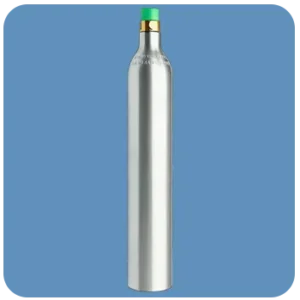
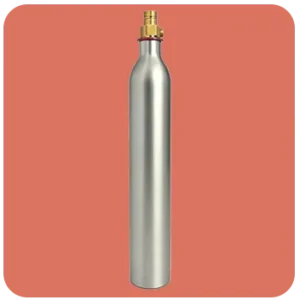
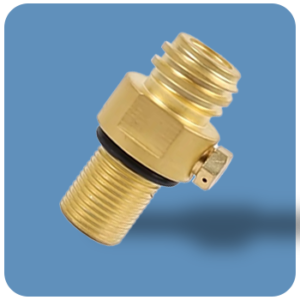

When sourcing CO2 cylinders for your B2B business, conducting a thorough factory audit is not optional—it is essential. A factory audit protects your supply chain, ensures product quality, and prevents costly compliance failures downstream. This guide walks you through every critical checkpoint for auditing a CO2 cylinder manufacturing facility.
Why Factory Audits Matter for CO2 Cylinder Sourcing
CO2 cylinders are pressure vessels. A single manufacturing defect can lead to catastrophic failures, product recalls, and legal liability. Unlike consumer electronics or textiles where defects cause inconvenience, a defective CO2 cylinder can cause explosions, injuries, and even fatalities. This is why responsible B2B buyers must audit their suppliers before committing to bulk orders.
A factory audit serves three primary purposes: it verifies the manufacturer’s production capabilities, confirms quality control systems are in place, and validates that certifications and compliance documentation are legitimate. Skipping this step is the single most common mistake new B2B importers make.
Checkpoint 1: Manufacturing Certifications and Compliance Documentation
The first thing to verify is whether the factory holds the necessary certifications for your target markets. For CO2 cylinders, the critical certifications include:
- ISO 9001: Quality Management System certification. This is the baseline. Any factory without ISO 9001 should be eliminated from consideration immediately.
- DOT-3AL: US Department of Transportation certification for aluminum cylinders. Required for any cylinders sold in the United States.
- TPED: Transportable Pressure Equipment Directive for the European market. Without this, cylinders cannot be legally sold in EU countries.
- PSE: Japanese Industrial Standards certification for the Japanese market.
- CE Marking: Essential for European market access, confirming compliance with EU safety directives.
Request original copies of all certifications and verify them with the issuing bodies. Counterfeit certificates are unfortunately common in the manufacturing industry, and a reputable supplier will have no objection to providing verifiable documentation.
Checkpoint 2: Production Capacity and Lead Time Verification
Understanding a factory’s actual production capacity is critical for planning your inventory and meeting customer demand. During the audit, verify:
- Daily output volume: How many cylinders per day does the factory produce? Compare this against your projected monthly demand.
- Production line count: How many production lines are operational? A single-line factory represents a single point of failure.
- Peak season capacity: Can the factory ramp up production during high-demand periods without sacrificing quality?
- Standard lead time: From order confirmation to shipment, how long does production typically take? For CO2 cylinders, expect 25-45 days depending on order volume.
Ask to see the production schedule and order backlog. A factory that claims 10,000 cylinders per month capacity but has only one production line running at 40% utilization may be overpromising.
Checkpoint 3: Quality Control Systems and Testing Protocols
This is the most critical checkpoint. CO2 cylinders must undergo rigorous testing at multiple stages of production. During your audit, verify the following testing protocols:
Hydrostatic Testing
Every cylinder batch must undergo hydrostatic testing, which involves pressurizing cylinders to 1.5x their working pressure to verify structural integrity. The factory should have dedicated hydrostatic testing equipment and documented test results for each batch.
Burst Testing
Burst testing determines the pressure at which a cylinder fails. This test is typically performed on sample cylinders from each production batch. The factory should maintain records of burst test results with pressure curves and failure analysis.
Leak Testing
Every individual cylinder must be leak-tested before shipment. Common methods include water bath testing and pressure decay testing. Verify that 100% of cylinders are tested, not just samples.
Material Certification
The aluminum or steel used in cylinder manufacturing must meet specific material standards. Request material test certificates (MTC) for recent production batches. These certificates trace the raw material back to its origin and verify its chemical composition.
Checkpoint 4: Tooling and Mold Quality
The quality of tooling and molds directly affects cylinder dimensions, wall thickness consistency, and surface finish. During the factory tour, inspect:
- Mold condition: Are molds well-maintained? Worn molds produce cylinders with dimensional variations that can cause fitting problems.
- Mold replacement frequency: How often does the factory replace or refurbish molds? High-quality factories typically refurbish molds every 50,000-100,000 cycles.
- Precision measurement equipment: Does the factory have calibrated CMM (Coordinate Measuring Machine) or equivalent precision measurement tools?
Checkpoint 5: Workforce and Training Programs
A factory is only as good as its workforce. During the audit, assess:
- Workforce size and skill level: How many workers are involved in production? What percentage are skilled technicians vs. general labor?
- Training programs: Is there a formal training program for new workers? Are welders certified to international standards?
- Worker turnover rate: High turnover indicates poor working conditions and can lead to quality inconsistencies.
Checkpoint 6: Facility Cleanliness and Organization
The physical condition of the factory tells you a lot about its management quality. Look for:
- 5S implementation: Is the factory organized using 5S methodology (Sort, Set in order, Shine, Standardize, Sustain)? A disorganized factory is a red flag.
- Cleanliness of production areas: Are workstations clean? Is debris managed? Aluminum shavings and cutting fluid should be properly contained.
- Storage conditions: Are raw materials and finished products stored properly? Cylinders should be stored upright in clean, dry areas.
Checkpoint 7: Supply Chain Transparency
Ask the factory about their raw material suppliers. Where do they source aluminum or steel? Do they have backup suppliers? A factory dependent on a single raw material supplier is vulnerable to supply disruptions that will affect your orders.
Request a supply chain map showing the origin of key materials, the names of suppliers, and the logistics routes used. This information is critical for understanding potential vulnerabilities in your supply chain.
Checkpoint 8: Export Experience and Track Record
A factory’s export history is a strong indicator of its reliability. During the audit, ask about:
- Major export markets: Which countries does the factory currently export to? Factories with diverse export markets are generally more experienced in compliance requirements.
- Key B2B clients: Can the factory provide references from existing B2B clients? Contact these references directly.
- Export documentation experience: Is the factory familiar with the documentation requirements for your target market? This includes certificates of origin, commercial invoices, and packing lists.
Red Flags to Watch For
During your audit, be alert for these warning signs:
- Reluctance to show production areas: If the factory only shows you the showroom and finished goods warehouse, something is wrong.
- Missing or expired certifications: Any certification that cannot be independently verified should be treated as invalid.
- Inconsistent batch quality: If sample cylinders from the same batch show significant dimensional variations, quality control is inadequate.
- Unwillingness to provide references: A reputable factory should be able to provide at least 2-3 references from existing clients.
Conclusion
A comprehensive factory audit is the foundation of a successful B2B sourcing relationship for CO2 cylinders. By systematically checking certifications, production capacity, quality control systems, tooling quality, workforce, facility organization, supply chain transparency, and export experience, you can identify reliable suppliers and avoid costly mistakes.
At VS Cylinder, we welcome factory audits from prospective B2B partners. Our manufacturing facility holds ISO 9001 certification, and our cylinders meet DOT-3AL, TPED, and CE standards. Contact us to schedule an audit or request detailed compliance documentation for your CO2 cylinder sourcing needs.