
Pressure ratings are the single most important technical specification for CO2 cylinders. Yet many B2B buyers source cylinders without fully understanding what these numbers mean, how they relate to each other, and how they impact product safety and compliance. This guide breaks down the three critical pressure ratings every buyer must know.
Why Pressure Ratings Matter in CO2 Cylinder Sourcing
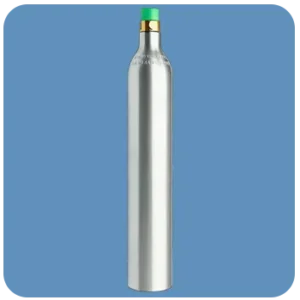
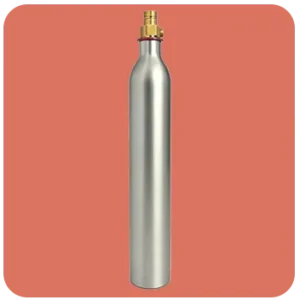
CO2 cylinders are pressure vessels designed to contain carbon dioxide gas at elevated pressures. The pressure rating determines how much gas the cylinder can safely hold, what safety margin exists, and what regulatory standards the cylinder meets. For B2B buyers, understanding these ratings is essential for three reasons: ensuring user safety, meeting regulatory compliance, and matching the cylinder to the intended application.
A cylinder with inadequate pressure ratings for its application is a liability. A cylinder with excessive pressure ratings may be unnecessarily heavy and expensive. Finding the right balance requires understanding what each pressure rating means and how they work together.
The Three Key Pressure Ratings Defined
1. Working Pressure (Service Pressure)
Working pressure, also called service pressure, is the maximum pressure at which a cylinder is designed to operate under normal conditions. This is the pressure the cylinder will experience during everyday use. For standard CO2 cylinders used in soda water machines, the working pressure is typically 800-1000 PSI (55-69 bar) at 20 degrees Celsius.
Key points about working pressure:
- It represents the normal operating pressure, not the maximum safe pressure
- Cylinders are designed with a safety factor well above the working pressure
- The amount of CO2 that can be filled depends on the working pressure and cylinder volume
- Working pressure varies with temperature; higher temperatures increase internal pressure
For B2B buyers, the working pressure tells you what applications the cylinder is suited for. Soda water machines typically require cylinders rated for 800-1000 PSI, while industrial applications may require higher ratings.
2. Test Pressure
Test pressure is the pressure at which cylinders are tested during manufacturing and periodic re-testing. This is significantly higher than the working pressure to ensure the cylinder has an adequate safety margin. For CO2 cylinders, the test pressure is typically 1.5 times the working pressure, or 1200-1500 PSI.
Every cylinder batch undergoes hydrostatic testing at the test pressure. During this test, the cylinder is filled with water and pressurized to the test pressure while submerged in a water bath. The cylinder must not leak, rupture, or show excessive permanent deformation.
Test pressure is significant for B2B buyers because:
- It demonstrates the safety margin built into the cylinder design
- It is the pressure used for periodic re-certification testing (typically every 5 years)
- It provides confidence that the cylinder can handle pressure spikes without failure
3. Burst Pressure
Burst pressure is the pressure at which the cylinder is expected to fail catastrophically. This is the absolute maximum pressure the cylinder can withstand before rupture. For properly manufactured CO2 cylinders, the burst pressure is typically 2.5 to 3 times the working pressure, or 2000-3000 PSI.
Burst testing is performed on sample cylinders from each production batch, not on every cylinder. During burst testing, a cylinder is pressurized until it fails, and the failure pressure is recorded. The failure mode is also analyzed to ensure it is ductile (the cylinder bulges and splits) rather than brittle (the cylinder shatters).
Burst pressure matters because:
- It provides the ultimate safety boundary
- It validates the quality of materials and manufacturing
- Regulatory standards specify minimum burst pressure multiples
- Consistent burst pressure across batches indicates manufacturing consistency
The Safety Factor: How These Ratings Work Together
The relationship between these three pressure ratings creates the cylinder’s safety factor. The safety factor is the ratio of burst pressure to working pressure. For CO2 cylinders, international standards typically require a minimum safety factor of 2.5:1, meaning the burst pressure must be at least 2.5 times the working pressure.
Here is how a typical 425g CO2 cylinder for soda water machines might be rated:
| Rating | Pressure (PSI) | Multiple of Working Pressure |
|---|---|---|
| Working Pressure | 1,000 PSI | 1.0x |
| Test Pressure | 1,500 PSI | 1.5x |
| Burst Pressure | 2,500+ PSI | 2.5x+ |
This means the cylinder is tested at 50% above its working pressure and is expected to survive at least 150% above its working pressure before failing. This safety factor is what makes properly manufactured CO2 cylinders safe for consumer and commercial use.
Temperature Effects on Pressure Ratings
CO2 pressure is highly temperature-dependent. As temperature increases, the internal pressure of a CO2 cylinder rises significantly. At 20 degrees Celsius, a full CO2 cylinder has an internal pressure of approximately 850 PSI. At 55 degrees Celsius (the temperature used for high-temperature testing), the same cylinder may reach 1,800 PSI or more.
This is why pressure ratings must account for temperature variations:
- Standard temperature rating: Cylinders are rated at 20 degrees Celsius
- High-temperature testing: Cylinders must survive exposure to 55 degrees Celsius without failure
- Fire exposure rating: Some standards require cylinders to survive brief exposure to fire without explosive failure
For B2B buyers shipping to hot climates, temperature effects on pressure are a critical consideration. Cylinders stored in direct sunlight or in shipping containers can reach temperatures well above ambient, increasing internal pressure significantly.
Regional Standards and Certification Requirements
Different markets have different pressure rating requirements for CO2 cylinders:
US Market (DOT Standards)
The US Department of Transportation sets pressure standards for CO2 cylinders. DOT-3AL covers aluminum cylinders, and DOT-3AA covers steel cylinders. These standards specify minimum working pressures, test pressures, and burst pressure ratios. Cylinders sold in the US must bear DOT markings on the shoulder.
European Market (TPED)
The Transportable Pressure Equipment Directive sets pressure standards for the European Union. TPED compliance requires cylinders to meet specific pressure testing protocols and carry the Pi mark. The European standard generally requires a minimum burst pressure of 2x the test pressure.
Japanese Market (JIS)
Japanese Industrial Standards specify pressure ratings for CO2 cylinders sold in Japan. JIS standards are particularly strict on burst pressure ratios and require additional impact testing for steel cylinders.
Australian Market (AS/NZS)
Australia and New Zealand follow standards that are broadly aligned with European standards but with some specific local requirements for pressure testing intervals and marking.
How to Verify Pressure Ratings When Sourcing
When evaluating CO2 cylinder suppliers, B2B buyers should take these steps to verify pressure ratings:
- Request test certificates: Ask for hydrostatic test results and burst test results from recent production batches. These certificates should show actual test pressures and pass/fail results.
- Check cylinder markings: Every certified cylinder must have pressure ratings stamped on the shoulder. Verify these markings match the specifications in your purchase order.
- Request material certificates: The material used in cylinder manufacturing affects pressure performance. Material Test Certificates (MTC) verify the chemical composition and mechanical properties of the raw material.
- Specify pressure requirements in your PO: Clearly state the required working pressure, test pressure, and applicable standards in your purchase order to avoid ambiguity.
- Consider third-party testing: For high-volume orders, consider hiring an independent testing laboratory to verify pressure ratings on sample cylinders.
Common Pressure Rating Mistakes to Avoid
Mistake 1: Confusing Working Pressure with Maximum Pressure
Working pressure is not the maximum pressure the cylinder can handle. It is the normal operating pressure. The cylinder can safely handle pressures well above working pressure, up to the test pressure, without permanent damage.
Mistake 2: Ignoring Temperature Effects
A cylinder rated for 1,000 PSI at 20 degrees Celsius may experience pressures of 1,800 PSI or more at 55 degrees Celsius. Always consider the maximum temperature the cylinder will experience in its intended application.
Mistake 3: Assuming All Cylinders Meet the Same Standards
Different markets have different standards. A cylinder certified for the US market may not meet European requirements, and vice versa. Always verify that the cylinder’s certifications match your target market.
Mistake 4: Overlooking Burst Pressure Testing
Some manufacturers skip burst testing to save costs. A cylinder without documented burst test results is a safety risk. Always request burst test certificates and verify that the burst pressure meets the required safety factor.
Conclusion
Understanding CO2 cylinder pressure ratings is fundamental to safe and compliant B2B sourcing. Working pressure tells you what the cylinder is designed for, test pressure demonstrates the safety margin, and burst pressure provides the ultimate safety boundary. By verifying all three ratings and ensuring they meet the standards required for your target market, you can source cylinders with confidence.
At VS Cylinder, all our CO2 cylinders are manufactured to meet international pressure standards including DOT, TPED, and JIS. We provide complete pressure test documentation with every order and can customize pressure ratings to meet your specific application requirements. Contact us to discuss your pressure rating needs and receive a detailed technical specification sheet for our CO2 cylinder products.