
Cross-Border E-Commerce Platform Selection: Amazon vs Shopee vs Temu vs TikTok Shop vs DTC
Choosing the right cross-border e-commerce platform is one of the most consequential decisions a B2B manufacturer can make. Each platform has a distinct traffic logic, margin profile, compliance burden, and operational model. A product that thrives on Amazon may fail on Temu. A brand that builds loyal following on TikTok Shop may find zero traction on Shopee. This guide provides a systematic framework for evaluating Amazon, Shopee, Lazada, AliExpress, Temu, TikTok Shop, and DTC independent sites — so you can allocate your resources where they generate the highest return.
The Platform Landscape: Seven Major Channels
| Platform | Core Market | Traffic Logic | Margin Range | Best For |
|---|---|---|---|---|
| Amazon (North America) | USA, Canada, Mexico | Search + PPC driven | 20-35% | Brand sellers, product differentiation |
| Amazon (Europe) | UK, DE, FR, IT, ES | Compliance + localization | 15-30% | Compliance-capable, multilingual sellers |
| Shopee (SEA) | SG, MY, TH, ID, VN, PH, BR, MX | Campaigns + low price | 10-25% | Price-competitive volume sellers |
| Lazada (SEA) | MY, SG, TH, ID, PH, VN | LazMall + sponsored ads | 10-25% | Brand sellers in Southeast Asia |
| AliExpress | Global (Russia, Spain, Brazil, US) | Price + buyer protection | 15-25% | Direct factory sellers, low MOQ |
| Temu | USA, Europe, Australia | Platform-allocated | 5-15% | Factory-direct, lowest-cost producers |
| TikTok Shop | USA, UK, SEA | Content + social | 15-30% | Content-strong brands, viral potential |
| DTC (Shopify/Shoplazza) | Global | SEO + paid acquisition | 30-50% | Brand builders, margin-focused sellers |
Amazon: The Everything Store
Amazon remains the dominant cross-border platform for B2B and B2C sellers in North America and Europe. Its core logic is search-driven: buyers come to Amazon with intent, search for products, and buy based on reviews, price, and Prime eligibility.
Amazon Strengths
- Highest buyer intent: Amazon users are ready to buy. Conversion rates 3-5x higher than social platforms
- Fulfillment infrastructure: FBA handles storage, picking, packing, shipping, returns, and customer service. Sellers focus on product and marketing
- Trust and reviews: Amazon’s review system, while gamed, still provides social proof that drives purchase decisions
- B2B demand: Amazon Business is a $35B+ marketplace with business-only pricing, quantity discounts, and tax-exempt purchasing
- Advertising maturity: Sponsored Products, Brands, and Display provide sophisticated targeting and attribution
Amazon Weaknesses
- Intense competition: 2+ million active sellers. Price wars are brutal. Private label sellers copy successful products within months
- High fees: Referral fees (8-15%), FBA fees ($3-15 per unit), storage fees, advertising costs. Total Amazon take rate: 30-50% of revenue
- Account suspension risk: A single IP complaint, fake review accusation, or policy violation can freeze inventory and funds
- Compliance complexity: EU requires VAT, CE marking, WEEE, German Packaging Act. US requires FDA, FCC, CPSIA depending on category
- Brand control limitations: Amazon owns the customer relationship. You cannot email buyers, retarget them, or build a brand community
Amazon Best Fit
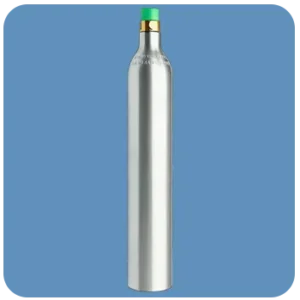
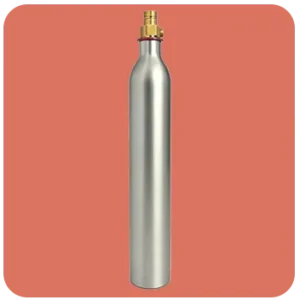
Amazon works best for sellers with: differentiated products, strong review generation capability, compliance resources, and 25%+ gross margins after all fees. CO2 cylinder sellers can succeed on Amazon Business with bulk pricing and industrial targeting.
Shopee and Lazada: Southeast Asia’s Twin Giants
Shopee and Lazada dominate Southeast Asian e-commerce, with combined GMV exceeding $100B annually. Both platforms share a campaign-driven traffic model where platform events (9.9, 11.11, 12.12) generate massive traffic spikes.
Shopee Strengths
- Highest growth rate: Shopee is growing 30-40% annually in SEA, faster than any other major platform
- Low entry barrier: No monthly fees, low commission (2-5%), free shipping campaigns subsidized by platform
- Live commerce: Shopee Live drives 20%+ of GMV in some categories. Sellers who master live selling see 3-5x conversion lifts
- Social features: In-app games, coins, vouchers, and gamification drive daily active user engagement
- SLS logistics: Shopee Logistics Services handle cross-border shipping at subsidized rates
Shopee Weaknesses
- Price sensitivity: SEA consumers are extremely price-sensitive. Margins are thin. Premium positioning is difficult
- Campaign dependency: 60-70% of sales occur during platform campaigns. Off-campaign traffic is weak
- Return rates: Higher return rates (5-10%) than Amazon due to buyer behavior and free return policies
- Limited B2B capability: Shopee is primarily B2C. B2B bulk orders are harder to execute
Lazada Differentiators
- LazMall: Premium brand mall with higher trust but stricter requirements (brand authorization, local stock)
- Alibaba backing: Lazada is owned by Alibaba, with access to Alibaba.com B2B buyer data and logistics
- B2B focus: Lazada has stronger B2B wholesale features than Shopee
- Lower commission for LazMall: 1-4% vs 2-8% for regular stores
SEA Platform Best Fit
Shopee and Lazada work best for sellers with: cost-competitive products, willingness to participate in frequent campaigns, and ability to handle low-margin, high-volume operations. CO2 cylinder sellers targeting SEA’s growing beverage and restaurant market can find traction here.
Temu: The Ultra-Low-Price Disruptor
Temu (owned by PDD Holdings) has disrupted North American and European e-commerce with extreme low pricing, aggressive marketing, and a full-managed model where the platform controls almost everything.
Temu Model: Full-Managed vs Semi-Managed
- Full-Managed: Seller ships inventory to Temu’s domestic warehouse. Temu handles pricing, listing, marketing, fulfillment, and customer service. Seller receives a predetermined wholesale price per unit
- Semi-Managed: Seller ships from overseas warehouse (FBA, 3PL, or self-operated). Seller controls pricing and has more listing flexibility. Temu handles marketplace traffic
Temu Strengths
- Massive traffic: Temu is one of the most downloaded shopping apps globally. Traffic is essentially free for sellers
- Zero marketing cost: Temu handles all advertising and promotion. Sellers do not run PPC campaigns
- Simple operations: Full-managed model requires minimal operational effort. Ship to warehouse; Temu does the rest
Temu Weaknesses
- Razor-thin margins: Full-managed wholesale prices are 30-50% below retail. Only factory-direct sellers with sub-$2 production costs can profit
- No brand control: Temu sets retail prices, sometimes below your cost. Brand identity is minimal
- Quality pressure: Temu aggressively penalizes quality complaints. High return rates or low ratings result in delisting
- IP risk: Temu has been criticized for IP infringement. Selling branded or patented products carries risk
Temu Best Fit
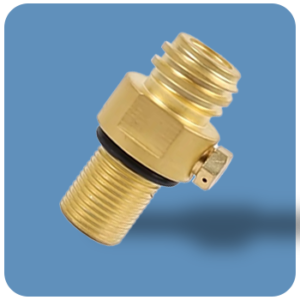
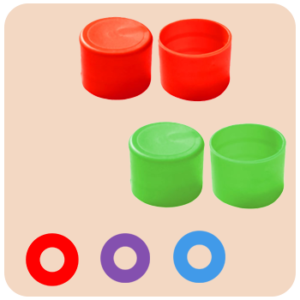
Temu is best for factory-direct manufacturers with rock-bottom production costs and no brand ambitions. For CO2 cylinders, Temu is only viable for very small accessories (valves, adapters, seals) where production cost is under $1 and retail can be $3-5.
TikTok Shop: Content-Driven Commerce
TikTok Shop merges social content with e-commerce, allowing users to purchase products without leaving the app. The traffic model is discovery-based: users see products in videos and livestreams, not through search.
TikTok Shop Strengths
- Viral potential: A single viral video can generate 10,000+ sales in days. No other platform offers this explosive growth potential
- Low competition: TikTok Shop is newer than Amazon and Shopee. First-movers in industrial categories face less competition
- Creator marketplace: Partner with TikTok creators who promote your products to their followers. Commission-based, no upfront cost
- Live commerce: Live selling events drive 20-40% of TikTok Shop GMV. Real-time interaction builds trust
TikTok Shop Weaknesses
- Content dependency: No content = no sales. TikTok Shop requires continuous video production, which is resource-intensive
- Unpredictable: Viral success is not repeatable on demand. Revenue can swing 10x month-to-month
- Audience mismatch: TikTok’s user base skews young (18-34) and consumer-focused. B2B industrial products may struggle
- Platform risk: TikTok faces regulatory threats in the US and EU. A ban would eliminate the channel overnight
TikTok Shop Best Fit
TikTok Shop works for brands with strong video content capabilities and products with visual appeal or educational potential. For CO2 cylinders, TikTok Shop is viable for consumer-focused content (soda machine tutorials, paintball gear reviews) but challenging for pure B2B bulk sales.
DTC Independent Site: Owning the Customer Relationship
A DTC (Direct-to-Consumer) independent site built on Shopify, Shoplazza, or WooCommerce gives you complete control over branding, pricing, customer data, and margins.
DTC Strengths
- Highest margins: No platform commissions (just payment processing: 2-3%). Margins 30-50% vs 15-25% on marketplaces
- Brand ownership: You own the customer relationship, email list, and brand experience. No risk of platform suspension
- Pricing control: Set prices based on value, not competitor undercutting
- Data ownership: Full access to customer behavior, purchase history, and analytics. Retarget and personalize freely
- B2B features: Shopify B2B, Net Terms, volume pricing, and account management built-in
DTC Weaknesses
- Traffic is your responsibility: No built-in traffic. You must generate visitors through SEO, Google Ads, Facebook Ads, and content marketing
- Higher upfront investment: Site development, payment integration, logistics setup, and initial ad spend require $10,000-50,000 before revenue
- Longer payback period: DTC sites typically take 6-12 months to reach profitability vs 1-3 months on marketplaces
- Operational complexity: You handle fulfillment, returns, customer service, and compliance yourself or through 3PLs
DTC Best Fit
DTC is best for brand builders, margin-focused sellers, and B2B manufacturers with existing buyer relationships. For VS Cylinder, the independent site (vscylinder.com) is the primary channel for building long-term B2B relationships and capturing high-margin OEM inquiries.
Platform Selection Framework
Use this decision matrix to allocate your resources:
Step 1: Product-Market Fit Assessment
- Price point: Under $10 → Temu/Shopee. $10-50 → Amazon/Shopee/TikTok. $50+ → Amazon/DTC
- Product complexity: Simple, visual products → TikTok/Shopee. Technical, spec-driven → Amazon/DTC
- B2B vs B2C split: B2C-heavy → Shopee/TikTok/Temu. B2B-heavy → Amazon Business/DTC
- Brand differentiation: Commodity → Temu/Shopee. Differentiated → Amazon/DTC/TikTok
Step 2: Resource and Capability Assessment
- Content creation capability: Strong → TikTok Shop. Weak → Amazon/Shopee/Temu
- Compliance resources: Strong → Amazon EU/DTC. Limited → Shopee SEA/Temu
- Capital availability: High → DTC + Amazon. Limited → Shopee/Temu (lower upfront)
- Supply chain cost: Very low → Temu. Moderate → Amazon/Shopee. Premium → DTC
Step 3: Market Priority Matrix
Rank your target markets by:
- Market size (TAM)
- Competitive intensity (number of established sellers)
- Compliance burden (VAT, certifications, import duties)
- Logistics feasibility (shipping cost, delivery time, return handling)
- Your existing capabilities (language, certifications, logistics partners)
Multi-Platform Strategy: The Portfolio Approach
Most successful cross-border sellers operate on multiple platforms simultaneously. A typical progression:
- Phase 1 (Months 1-6): Launch on one marketplace (Amazon or Shopee) to validate product-market fit and generate cash flow
- Phase 2 (Months 6-12): Add a second platform. Amazon sellers add DTC; Shopee sellers add Lazada; TikTok sellers add Amazon
- Phase 3 (Months 12-24): Expand to 3-4 platforms with platform-specific positioning. DTC becomes the primary margin driver
- Phase 4 (Year 2+): Optimize platform mix based on profitability data. Cut underperforming channels; double down on winners
Key Takeaways
- Amazon offers the highest buyer intent and B2B capability but demands compliance resources and 25%+ margins
- Shopee/Lazada drive volume through campaigns but require price competitiveness and campaign participation
- Temu is only viable for factory-direct sellers with sub-$2 production costs and no brand ambitions
- TikTok Shop offers viral potential but requires continuous content production and carries regulatory risk
- DTC independent sites offer highest margins (30-50%) and brand control but require traffic generation investment
- Most sellers should start with one marketplace, validate product-market fit, then expand to a multi-platform portfolio
- Platform selection should match your product characteristics, resource capabilities, and target market priorities
- Re-evaluate platform mix quarterly based on profitability data, not just revenue
There is no single “best” cross-border platform. The right platform is the one that aligns with your product, your capabilities, and your market priorities. A CO2 cylinder manufacturer might start with Amazon Business for B2B bulk orders, add a DTC site for OEM inquiry capture, and use TikTok Shop for consumer education content. The key is treating platform selection as a strategic decision, not a default choice, and continuously optimizing your platform portfolio as you learn what works.