

Cross-Border Logistics Peak Season Inventory Planning for CO2 Cylinder Sellers
For B2B CO2 cylinder exporters, peak season inventory planning separates profitable sellers from those who run out of stock when demand is highest. Black Friday, Christmas, Amazon Prime Day, and Shopee’s 9.9/11.11/12.12 mega-sales create demand surges that can empty warehouses within weeks. Without a disciplined logistics plan, you lose sales, rankings, and buyer trust.
Why Peak Season Planning Matters for CO2 Cylinders
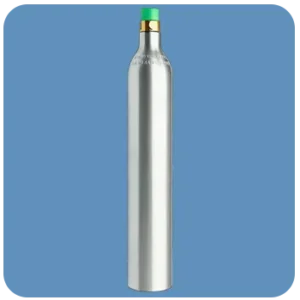
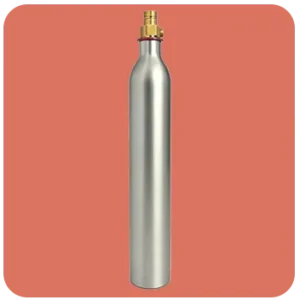
CO2 cylinders are physical products with long production and shipping lead times. A 425g mini cylinder might take 20-30 days to manufacture, plus 25-40 days for ocean freight to FBA or overseas warehouses. If you wait until October to prepare for Q4, you are already too late.
Peak season demand patterns for CO2 cylinders follow these cycles:
- Q3 (July-September): Soda machine brands stock up before summer ends and back-to-school beverage campaigns launch
- Q4 (October-December): Holiday gifting, commercial beverage equipment upgrades, and year-end B2B procurement drive the strongest volume
- Q1 (January-March): New Year fitness and hydration trends increase home soda machine sales, creating replacement cylinder demand
- Prime Day / mid-year sales: Amazon Prime Day and equivalent events create compressed demand spikes
Build a 90-Day Rolling Inventory Forecast
Start with historical sales velocity. If you sold 500 units per month on Amazon US and 300 units per month on Shopee Southeast Asia during normal periods, plan for 2-3x velocity during peak weeks.
Forecast formula:
Peak inventory need = (Average weekly sales × Peak multiplier × Lead time in weeks) + Safety stock
For CO2 cylinders, safety stock should cover 3-4 weeks of sales because:
- Ocean freight delays are common during Q4 port congestion
- Chinese New Year factory shutdowns disrupt Q1 supply
- Raw material aluminum price fluctuations affect production scheduling
First-Mile Logistics: Air vs. Ocean Trade-offs
Choose your first-mile mode based on inventory position and cash flow:
- Ocean freight (FCL/LCL): Best for planned peak-season inventory shipped 60-90 days in advance. Cost is 60-70% lower than air freight, but transit time is 25-40 days. Use FCL when volumes justify a full container; use LCL for smaller test batches.
- Air freight / air express: Use only for emergency restocks or high-margin SKUs. A 425g CO2 cylinder shipment by air can cost 5-8x more than ocean, but delivers in 5-10 days when stockouts threaten ranking.
- China-Europe Railway Express: A middle ground for European markets — 15-20 days transit at roughly 2-3x ocean cost. Useful for Poland, Germany, and EU peak-season restocking.
FBA Inventory Performance Index (IPI) Management
For Amazon sellers, maintaining IPI above 400 is essential for unlimited FBA storage. Peak season makes IPI management harder because inventory surges can trigger long-term storage fees if planning fails.
Strategies:
- Send inventory in waves rather than one massive shipment
- Monitor inventory age weekly; remove slow-moving SKUs before 180-day and 365-day fee thresholds
- Use Amazon’s Inventory Placement Service to distribute stock across fulfillment centers efficiently
- Create removal orders for unsellable or aged inventory before peak fee periods
Multi-Channel Inventory Allocation
Don’t put all inventory in one channel. Split stock strategically:
- Amazon FBA: 50-60% of peak inventory for your largest sales channel
- Third-party overseas warehouse: 20-30% for merchant-fulfilled backup and multi-channel fulfillment
- Safety buffer at factory or forwarder warehouse: 10-20% for rapid reallocation
For Southeast Asia, Shopee’s SLS logistics and local warehouses require separate inventory planning. Each country (Thailand, Vietnam, Malaysia, Philippines, Indonesia) has different import requirements and peak-sale calendars.
Peak Season Logistics Calendar
Plan backward from each sales event:
- Black Friday / Cyber Monday: Inventory must arrive at FBA by early November. Start ocean shipments by late August.
- Christmas: Last inbound cutoff is typically late November. Plan production by September.
- Prime Day: Inventory deadline is usually 6-8 weeks before the event. Confirm dates in March/April.
- Shopee 9.9: Ship to local warehouses by mid-August.
- Shopee 11.11 / 12.12: Send inventory by late September and late October respectively.
Risk Mitigation Tactics
- Dual supplier strategy: Maintain relationships with two cylinder factories to avoid single-source shutdowns
- Pre-negotiated production slots: Lock factory capacity 60-90 days ahead with deposit payments
- Forwarder contingency plans: Have backup freight forwarders and routes ready
- Demand sensing: Monitor Google Trends, Amazon Brand Analytics, and Shopee campaign enrollment data to adjust forecasts
Key Takeaways
- Start peak-season planning 90 days before the first sales event
- Use ocean freight for planned volume; reserve air freight for emergencies
- Maintain 3-4 weeks of safety stock for CO2 cylinders
- Split inventory across FBA, overseas warehouses, and factory buffers
- Protect your Amazon IPI score to avoid storage restrictions during peak season
Peak-season logistics is not about reacting faster — it is about planning earlier. The CO2 cylinder sellers who win Q4 are the ones who placed their first ocean shipment before summer ended.