
Middle East Market Entry Guide for CO2 Cylinder Exporters
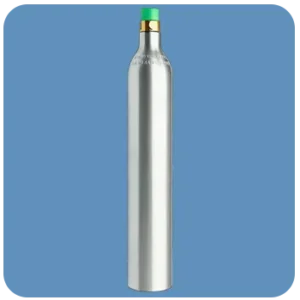
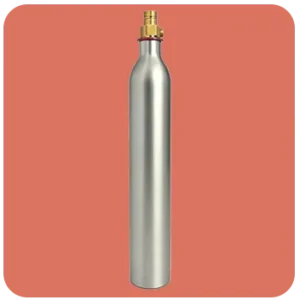
The Middle East — particularly the GCC region (Saudi Arabia, UAE, Qatar, Kuwait, Bahrain, Oman) — represents a growing market for CO2 cylinder exporters. Rising disposable income, expanding hospitality sectors, and increasing adoption of home soda machines create sustained demand for 425g, 2L, and 5L CO2 cylinders. However, entering Middle East markets requires navigating specific compliance, certification, and distribution challenges.
Market Opportunity in the GCC
The Middle East beverage equipment market is growing rapidly due to several factors:
- Hospitality expansion: Hotel and restaurant chains in Dubai, Riyadh, and Doha demand commercial-grade carbonation systems
- Home appliance adoption: SodaStream and similar home carbonation machines are gaining popularity among middle-class consumers
- Halal beverage trends: Growing market for non-alcoholic carbonated beverages drives CO2 cylinder demand
- Government initiatives: Saudi Vision 2030 and UAE diversification efforts support food and beverage sector growth
- E-commerce growth: Noon.com and Amazon.ae provide accessible sales channels for CO2 cylinder products
Saudi Arabia: The Largest GCC Market
Saudi Arabia is the largest economy in the GCC and offers the biggest CO2 cylinder opportunity. Key requirements for Saudi market entry:
- SASO Certificate of Conformity (CoC): All imported products require SASO (Saudi Standards, Metrology and Quality Organization) certification. You must obtain a Product Certificate of Conformity (PCoC) before shipment and a Shipment Certificate of Conformity (SCoC) for each batch.
- SABER platform registration: All products must be registered on the SABER electronic platform before export to Saudi Arabia.
- HS code classification: CO2 cylinders are typically classified under HS 7311 (containers for compressed gas). Confirm the exact classification with your customs broker.
- Arabic labeling: Product labels must include Arabic text covering product name, country of origin, manufacturer details, and safety warnings.
- Halal considerations: While CO2 cylinders are not food products, buyers may request documentation confirming no alcohol-related contamination in manufacturing.
Partner with a SASO-accredited certification body (TUV, SGS, Intertek, or Bureau Veritas) to handle the conformity assessment process. Timeline: 4-8 weeks for first-time certification.
UAE: Gateway to the Region
The UAE is the most business-friendly GCC market and serves as a regional distribution hub:
- ECAS conformity: UAE requires Emirates Conformity Assessment Scheme (ECAS) certification for regulated products, managed by ESMA (Emirates Authority for Standardization and Metrology).
- Free zone advantages: Jebel Ali Free Zone (JAFZA) offers warehousing with 0% import duty for re-export. Many CO2 cylinder distributors operate from free zones to serve the entire GCC.
- Amazon.ae and Noon.com: Both platforms support cross-border sellers. Amazon.ae FBA is available for locally registered brands.
- Dubai trade license: If you plan to establish a local presence, a Dubai trade license allows direct import and distribution.
UAE is ideal as your first Middle East entry point because of its efficient logistics infrastructure, business-friendly regulations, and access to the broader GCC market.
Distribution Strategy Options
Choose your Middle East distribution model based on market entry stage and resources:
- Direct export to distributor: Find a local distributor with beverage industry experience. They handle customs clearance, warehousing, and last-mile delivery. Best for initial market testing.
- Amazon.ae / Noon.com: Register as a cross-border seller. Requires local bank account and trade license for full FBA participation. Good for B2C 425g cylinder sales.
- Free zone warehouse: Lease warehouse space in JAFZA or similar. Import in bulk, then re-export to Saudi Arabia, Qatar, and Oman. Reduces per-unit shipping cost.
- Local partnership / JV: Partner with an established beverage equipment company for joint market development. Shares risk and leverages local relationships.
Compliance and Certification Checklist
Before shipping CO2 cylinders to any Middle East market, complete this checklist:
- Product testing: Pressure testing and material certification from an accredited lab
- SASO/ECAS certification: Country-specific conformity documents
- SABER registration: For Saudi Arabia
- Arabic documentation: Translated product manuals, safety data sheets, and labeling
- Insurance: Product liability insurance covering the target market
- Customs documentation: Commercial invoice, packing list, certificate of origin, and bill of lading
Work with a customs broker experienced in pressurized gas cylinder imports. Misclassification or missing documentation can result in shipment seizures and fines.
Pricing Strategy for Middle East Markets
Middle East pricing differs from Amazon US or European markets:
- Import duties: GCC common external tariff is typically 5% for general goods, but confirm specific rates for gas cylinders
- VAT: Saudi Arabia (15%), UAE (5%), Qatar (0% but planned). Factor VAT into landed cost calculations.
- Logistics costs: Ocean freight to Jebel Ali or Dammam is well-connected from China. Air freight via Dubai is efficient for urgent restocks.
- Distributor margins: Middle East distributors typically expect 20-35% margin. Price your products to allow competitive retail pricing.
Cultural and Business Considerations
Building relationships in the Middle East requires cultural awareness:
- Relationship-first business culture: Personal trust precedes business deals. Invest time in face-to-face meetings and relationship building.
- Arabic communication: Having Arabic-speaking staff or translators signals commitment to the market.
- Payment terms: Letter of Credit (L/C) is common for first orders. Established relationships may move to T/T (telegraphic transfer) with 30% deposit.
- Friday-Saturday weekend: Business week runs Sunday-Thursday in most GCC countries. Align your communication schedule accordingly.
- Ramadan considerations: Business slows significantly during Ramadan. Plan shipments and meetings around the holy month.
Key Takeaways
- The GCC market offers strong growth potential for CO2 cylinder exporters, led by Saudi Arabia and UAE
- SASO/SABER certification is mandatory for Saudi Arabia; ECAS for UAE
- Start with UAE as a gateway, then expand to Saudi Arabia and other GCC markets
- Choose distribution model based on entry stage: distributor, marketplace, or free zone warehouse
- Invest in Arabic documentation, cultural awareness, and relationship building
- Factor import duties, VAT, and distributor margins into pricing strategy
The Middle East is not a market you can enter casually — but with proper certification preparation, the right distribution partner, and cultural sensitivity, CO2 cylinder manufacturers can build a profitable and defensible position in one of the world’s fastest-growing beverage markets.