
The Fizzy Journey
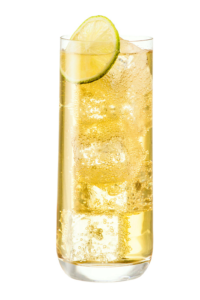
The Fizzy Journey: A Brief History of Sparkling Water
Few drinks have stood the test of time quite like sparkling water. Those tiny, effervescent bubbles that dance on our tongues feel so modern—perfect for brunch mocksails, post-work refreshment, or healthy soda alternatives. But the story of sparkling water is far older than you might think, stretching back centuries to ancient civilizations, scientific breakthroughs, and cultural revolutions. Today, let’s dive into the fascinating history of this bubbly beverage, from its natural origins to the global staple it is today.
Ancient Beginnings: Nature’s Bubbly Gift
Long before humans learned to create fizz artificially, sparkling water existed in nature—hidden beneath the earth’s surface. The earliest records of “sparkling water” date back to ancient Greece and Rome, where mineral springs with naturally carbonated water were revered for their supposed healing properties. The Greeks called these springs “aquae ferventes” (boiling waters), though the “boiling” was actually the result of carbon dioxide gas trapped underground reacting with water.
In Rome, Emperor Nero was said to be obsessed with the sparkling water from the springs of Vichy (now in France), sending slaves to transport it across the empire in clay jars. These natural springs became popular retreats for the wealthy, who believed the mineral-rich, bubbly water could cure ailments ranging from indigestion to skin disorders. Even in ancient China, records from the Tang Dynasty mention “bubbling springs” used for medicinal purposes—proof that humanity’s fascination with fizz is truly global.
For centuries, natural sparkling water remained a luxury. It was rare, difficult to transport, and accessible only to nobility or those who could travel to the springs. But everything changed in the 18th century, when science stepped in to unlock the secret of creating fizz on demand.
The Scientific Breakthrough: Man-Made Fizz
The first major leap in artificial sparkling water came in 1767, thanks to an English chemist named Joseph Priestley. While experimenting in a brewery (where fermentation naturally produces carbon dioxide), Priestley discovered that bubbling CO2 through water created a refreshing, sparkling drink. He published his findings in a paper titled “Directions for Impregnating Water with Fixed Air,” detailing how to replicate nature’s fizz using simple laboratory equipment.
Priestley’s invention was revolutionary, but it was a Frenchman—Jacques-Alexandre-César Charles—who refined the process for mass production. In 1783, Charles developed a more efficient method to carbonate water using pressure, laying the groundwork for the modern soda industry. However, the true popularizer of sparkling water was Jacob Schweppe, a Swiss watchmaker turned inventor. In 1783, Schweppe perfected Priestley’s formula and founded the Schweppes company in Geneva, becoming the first to sell carbonated water on a commercial scale. His product was an instant hit, marketed as a “health tonic” and a remedy for “nervous disorders.”
By the early 19th century, sparkling water had spread across Europe and North America. It was sold in apothecaries as a medicinal drink, but its popularity soon transcended health claims. The fizz was seen as exotic and sophisticated, making it a staple at high-society gatherings. In Victorian England, “soda fountains” became fashionable spots, where patrons could enjoy sparkling water mixed with fruit syrups—a precursor to modern soda.
The Rise of the Soda Industry & Beyond
The 20th century brought massive changes to sparkling water. As technology advanced, carbonation became cheaper and more accessible. Companies like Coca-Cola (founded in 1886) and Pepsi (1898) used sparkling water as the base for their sugary sodas, turning fizz into a global phenomenon. For decades, sugary soft drinks dominated the market, and plain sparkling water took a backseat—seen as a boring alternative to its sweetened counterparts.
But by the late 20th century, a shift began. As health consciousness grew, people started seeking out low-sugar, calorie-free options. Sparkling water made a comeback, rebranded as a healthy, refreshing choice. Brands like Perrier (which had been around since 1863, sourcing natural sparkling water from France) and San Pellegrino (founded in 1899 in Italy) gained global fame, emphasizing their natural origins and mineral content.
The 21st century has seen sparkling water explode in popularity. Artisanal brands have emerged, offering unique flavors (from cucumber-mint to elderflower) and sustainable packaging. Soda makers for home use—like SodaStream—have become mainstream, letting consumers create their own sparkling water with minimal plastic waste. Today, sparkling water is no longer just a luxury or a health tonic—it’s a daily staple for millions, enjoyed by people of all ages as a hydrating, flavorful alternative to soda, juice, or plain water.
Why We Still Love the Fizz
So, what is it about sparkling water that has captivated us for centuries? Part of it is the sensory experience—the tingle of bubbles, the crispness, the way it wakes up our taste buds. But it’s also deeply tied to our desire for something “special.” From ancient Roman nobles sipping spring water to modern millennials mixing sparkling water with kombucha, the fizz has always felt like a small indulgence, a way to make ordinary moments feel a little more exciting.
What’s more, sparkling water’s adaptability has kept it relevant. It’s a blank canvas—mix it with fruit, herbs, alcohol, or just enjoy it plain. It pairs with meals, refreshes after workouts, and even works as a palate cleanser. And as we become more focused on sustainability and health, sparkling water checks all the boxes: it’s calorie-free, plastic-free (if you use a soda maker), and often sourced from natural springs.
The Future of Sparkling Water
As we look ahead, the future of sparkling water seems brighter than ever. With consumers demanding more natural, sustainable, and innovative drinks, brands are experimenting with new flavors, carbonation levels, and packaging. We’re seeing sparkling water infused with probiotics, electrolytes, and adaptogens—blending the classic fizz with modern wellness trends. And as home soda makers become more advanced, making sparkling water at home is easier and more eco-friendly than ever.
From ancient healing springs to modern kitchen counters, sparkling water has come a long way. Its journey is a testament to humanity’s curiosity, ingenuity, and love for simple pleasures. The next time you pour yourself a glass of bubbly water, take a moment to appreciate the centuries of history in every sip—from Joseph Priestley’s laboratory to your favorite brand’s bottling plant.
Here’s to the fizz that has stood the test of time—cheers!


发表评论
想要加入讨论吗?请自由发表意见!