
Why Source CO2 Cylinders from China?
China is the world’s largest producer of high-pressure gas cylinders, accounting for over 60% of global manufacturing capacity. For businesses importing CO2 cylinders — whether for beverage dispensing, aquascaping, paintball, medical, or industrial applications — Chinese manufacturers offer compelling advantages: competitive pricing, high production capacity, and increasingly sophisticated quality control systems.
However, sourcing from China also presents challenges: quality variability, communication barriers, logistics complexity, and compliance requirements. This guide walks you through the entire process, from identifying qualified suppliers to receiving your shipment.
Step 1: Define Your Requirements
Before contacting any supplier, clearly define your specifications:
- Cylinder material: Aluminum (lightweight, corrosion-resistant) or steel (lower cost, durable)
- Capacity: Common sizes range from 0.5L to 50L water capacity
- Working pressure: Typically 150-200 bar test pressure
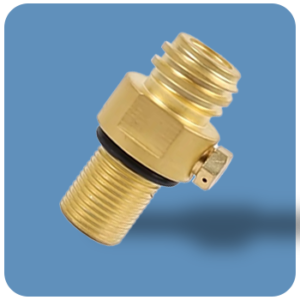
- Valve type: CGA320 (US), DIN477 (EU), pin-index (medical), or custom
- Quantity: MOQ typically ranges from 100-500 units depending on specifications
- Certifications required: CE, DOT, TUV, KHK, or other market-specific certifications
- Customization: Color, logo printing, packaging, valve configuration
Step 2: Identify and Qualify Suppliers
Where to Find Suppliers
- B2B Platforms: Alibaba.com, Made-in-China.com, Global Sources
- Trade Shows: Canton Fair (Guangzhou), A+A (Düsseldorf), PTC (Shanghai)
- Industry Directories: China Industrial Gases Industry Association members
- Google Search: Find manufacturers with English-language websites and export experience
- Direct Contact: Reach out to known manufacturers like VS Cylinder directly
Qualification Checklist
| Criterion | What to Look For | Red Flags |
|---|---|---|
| Business License | Valid pressure vessel manufacturing scope | Expired or trading company only |
| Certifications | ISO 9001, product-specific (CE/DOT) | Unable to provide certificates |
| Export Experience | References from your region | Only domestic sales history |
| Factory Visit | Organized production, testing equipment | Refuses inspection |
| Sample Quality | Meeting all specifications | Significant deviations |
| Communication | Responsive, technically knowledgeable | Evasive, inconsistent pricing |
Step 3: Request and Evaluate Quotations
A professional quotation should include:
- FOB price per unit (specify port: Shanghai, Ningbo, Shenzhen)
- MOQ and lead time for both samples and production
- Payment terms (T/T 30% deposit + 70% before shipment is standard)
- Packaging specifications (individual packing, carton configuration, pallet loading)
- Included certifications and testing reports
- Warranty terms (typically 3-5 years for aluminum cylinders)
Step 4: Quality Control Protocol
Pre-Production
- Review and approve raw material certificates (aluminum ingot or steel coil origin)
- Confirm production schedule and line allocation
- Set quality checkpoints and acceptance criteria
During Production
- Conduct inline inspection at 30% and 70% completion milestones
- Verify wall thickness consistency (ultrasonic testing)
- Check heat treatment records (aluminum: T6 temper)
- Monitor valve thread machining quality
- Review hydrostatic test results (100% of cylinders tested)
Pre-Shipment Inspection
- AQL 2.5 sampling inspection (international standard)
- Visual inspection: surface finish, printing quality, no dents/scratches
- Thread gauge test on random samples
- Verify weight and dimensional specifications
- Package integrity check
Step 5: Logistics and Importation
Coordinate with your supplier on:
- HS Code: 7311.00 (containers for compressed gas, iron or steel) or 7613.00 (aluminum)
- Shipping terms: FOB (buyer arranges freight) or CIF (supplier arranges to destination port)
- Customs clearance: Prepare import documentation including commercial invoice, packing list, bill of lading, and certificate of origin
- Duty rates: Vary by country — typically 0-5% for most markets, but verify with your customs broker
- Last-mile delivery: Arrange trucking from port to your warehouse; consider using a freight forwarder with dangerous goods experience
Common Mistakes to Avoid
- Choosing price over quality: The cheapest quote often means cut corners on materials or testing
- Ignoring certifications: Non-certified cylinders cannot legally enter most markets
- Skipping factory audit: Photos and certificates can be misleading — visit or hire a third-party inspector
- Unclear specifications: Ambiguity leads to disputes; document everything in the purchase contract
- Underestimating lead time: Factor in 30-45 days production + 20-35 days ocean shipping + customs clearance
Why Choose VS Cylinder as Your China Sourcing Partner
VS Cylinder eliminates the guesswork from sourcing. With 25+ years of manufacturing experience, full ISO/CE/DOT certifications, and dedicated export support, we provide:
- Factory-direct pricing with no middleman markup
- Rigorous QC from raw material to finished product
- Complete documentation support for customs clearance
- Custom OEM/ODM solutions tailored to your market
- English-speaking export team for clear communication
Ready to start sourcing? Contact us for a quotation and factory tour arrangement. We’ll guide you through every step of the process.