
Why Safe Storage and Transportation Matters for CO2 Cylinders
CO2 cylinders operate under high pressure — typically 60-70 bar at room temperature. Improper handling during storage or transportation doesn’t just risk product damage; it creates serious safety hazards that can result in regulatory violations, cargo rejection, or worse. For importers sourcing cylinders from manufacturers like VS Cylinder, understanding these requirements is essential to protecting your investment and ensuring smooth logistics.
CO2 Cylinder Storage Best Practices
Temperature Control
Store CO2 cylinders in a cool, dry, well-ventilated area away from direct sunlight and heat sources. The ideal storage temperature range is 0°C to 31°C (32°F to 88°F). Temperatures exceeding 52°C (125°F) can cause dangerous pressure buildup. Never store cylinders near radiators, furnaces, or in direct sunlight through windows.
Physical Storage Requirements
- Upright position: Always store cylinders vertically and secure them with chains or straps to prevent tipping
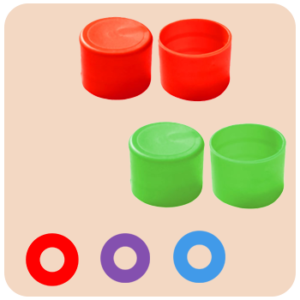
- Valve protection: Keep valve caps in place when cylinders are not connected to equipment
- Separation: Store full and empty cylinders separately with clear labeling
- Ventilation: Ensure adequate airflow — CO2 is heavier than air and can accumulate in low areas
- No smoking: Enforce strict no-smoking policies in storage areas
- Access control: Limit access to authorized personnel only
Warehouse Layout Considerations
Design your warehouse layout to accommodate cylinder storage with designated zones. Maintain clear aisles for forklift access. Use bollards or barriers to protect stored cylinders from vehicle impact. Install CO2 detectors in low-lying areas to alert staff to potential leaks.
International Shipping Requirements for CO2 Cylinders
Dangerous Goods Classification
CO2 cylinders are classified as Class 2.2 (Non-flammable, Non-toxic Gas) under the UN Model Regulations (UN1013 for Carbon Dioxide). This classification triggers specific documentation, packaging, and labeling requirements for both ocean and air freight.
Required Documentation
- MSDS (Material Safety Data Sheet): Must accompany every shipment
- Dangerous Goods Declaration (DGD): Required by carriers before accepting cargo
- UN Performance Testing Certificate: Proves cylinder compliance with pressure vessel standards
- Certificate of Origin: May affect duty rates in destination countries
- Commercial Invoice & Packing List: Standard customs documentation
Packaging for Export
VS Cylinder follows strict export packaging protocols:
- Individual protection: Each cylinder wrapped in bubble wrap or foam sleeve
- Valve protection: Valve caps securely fastened; some shipments use tamper-evident seals
- Carton boxing: Cylinders placed in corrugated cartons with internal dividers
- Palletization: Boxed cylinders secured to fumigated ISPM-15 compliant wooden pallets
- Container loading: Pallets loaded and braced to prevent movement during transit
Transportation Mode Selection
| Mode | Transit Time | Cost | Best For |
|---|---|---|---|
| Ocean FCL | 20-35 days | Low | Large orders (20ft+ container) |
| Ocean LCL | 25-40 days | Medium | Small-medium orders |
| Air Freight | 3-7 days | High | Urgent/sample orders |
| Rail (China-Europe) | 15-20 days | Medium | Europe-bound orders |
Regional Regulatory Compliance
European Union (CE Marking)
All CO2 cylinders entering the EU market must carry CE marking compliant with the Pressure Equipment Directive (PED 2014/68/EU). Additionally, the Transportable Pressure Equipment Directive (TPED 2010/35/EU) applies to cylinders used for transport. VS Cylinder’s products are fully CE certified for European market access.
United States (DOT Requirements)
The US Department of Transportation (DOT) requires cylinders to meet DOT 3AL or DOT 3AA specifications. Each cylinder must display the DOT specification marking, serial number, manufacturer identification, and requalification date. Importers should verify these markings before accepting shipments.
Other Key Markets
- Japan: Requires KHK (High Pressure Gas Safety Institute) approval
- Australia: AS 2030 compliant cylinder testing and marking
- Canada: TC (Transport Canada) specification, similar to DOT
- Southeast Asia: Varies by country; many accept DOT or CE standards
Insurance and Risk Management
Always insure CO2 cylinder shipments for full replacement value. Standard marine cargo insurance covers physical loss or damage, but verify that dangerous goods are explicitly included in your policy. Consider additional coverage for:
- Customs rejection or seizure risk
- Demurrage and detention charges at port
- Temperature-related damage during transit
Partner with a Manufacturer That Gets Logistics Right
At VS Cylinder, we don’t just manufacture cylinders — we ensure they arrive safely at your destination. Our export team handles all documentation, proper packaging, and carrier coordination. We’ve shipped to over 50 countries and understand the regulatory requirements for each market.
Contact our export team today to discuss your CO2 cylinder requirements and get a customized shipping solution for your market.