
Why Wholesale Pricing Strategy Matters for CO2 Cylinder B2B Sellers
Pricing is the single most important lever in B2B export. You can have the best CO2 cylinder quality in the world, but if your quote structure is unclear, your margin erodes faster than you can replace it. Most small-to-medium CO2 cylinder factories quote based on instinct or whatever their last competitor did. That is not a strategy; it is a guess dressed in a PDF.
A disciplined pricing model lets you walk away from bad orders, accept good ones, and protect the 18-25% net margin that keeps a B2B operation healthy. This guide walks through the cost stack, the markup logic, and the negotiation tactics that work for CO2 cylinder wholesale in 2026.
The True Cost Stack Behind Every CO2 Cylinder Quote
Before you set any markup, you need to know what a cylinder actually costs you. Too many B2B sellers quote on procurement cost alone and forget the layers underneath. Here is the full stack:
- Raw aluminum or steel cost – typically 35-45% of the unit cost. This fluctuates with commodity markets, so refresh your quote weekly during volatile periods.
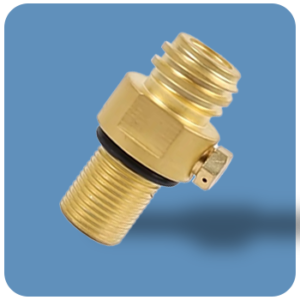
- Valve and fitting components – CGA-320 valves, O-rings, and adapters. For 425g cylinders, this adds $1.50-$3.00 per unit.
- Labor and overhead – hydrostatic testing, leak testing, painting, stenciling. Budget $0.80-$1.50 per cylinder in a mid-size Chinese factory.
- Packaging – export cartons, foam inserts, pallet wrap. $0.30-$0.60 per unit when bulk-packed.
- First-mile freight – factory to port. For FCL shipments to Long Beach or Rotterdam, budget $0.15-$0.40 per cylinder.
- Inspection and certification – third-party pre-shipment inspection, CE/FCC paperwork, and DOT/ISO compliance documentation. $200-$500 per shipment, amortized.
- FX buffer – 2-3% margin to absorb USD/CNY or USD/EUR swings between quote and settlement.
Add these up before you even think about a markup. The 425g CO2 cylinder that costs you $4.80 in raw materials is realistically a $7.50-$8.20 landed cost before any margin or selling expense.
Markup Logic: Three Models That Actually Work
There is no universal markup. The right model depends on your order size, customer type, and competitive position. Here are the three approaches most successful B2B CO2 cylinder sellers use:
Model 1: Tiered Volume Discount
This is the most common in CO2 cylinder wholesale because buyers expect it. The structure looks like this:
- 100-499 units: list price (your anchor)
- 500-1,999 units: 5-7% discount
- 2,000-9,999 units: 8-12% discount
- 10,000+ units: 12-18% discount, negotiable
The danger is that the top tier can crush your margin if your cost base does not actually drop at that volume. Before publishing a tier chart, model your cost at each volume level. If your cost per cylinder only drops 6% at 10,000 units but you are offering 15% off, you have given away margin for nothing.
Model 2: Cost-Plus with Floor Margin
This works best for OEM/ODM work where each order has custom tooling or branding. Set a floor margin – for example, never quote below 22% gross – and add a custom surcharge for any non-standard request. Custom colors, custom valve threads, custom stenciling: each one is a line item, not a freebie.
The advantage of cost-plus is that you can defend the price with a clear breakdown. B2B buyers respect transparency. A quote that shows cost + margin + value-adds is harder to argue with than a single number pulled from the air.
Model 3: Market-Anchored Value Pricing
If you are selling premium CO2 cylinders with documented certification, fast lead times, and design support, do not compete on unit price. Compete on total cost of ownership. A buyer who pays $0.50 more per cylinder for a 0.2% defect rate instead of 1.5% is saving money on returns, replacements, and reputational damage.
This model requires you to articulate the value clearly in the proposal. Lead with quality data, certification copies, on-time delivery history, and references. The price number goes at the bottom, framed as the cost of getting a reliable supply rather than the cost of a metal tube.
Quote Structure: How to Present the Number
The way you present a quote is as important as the number itself. A confused quote invites negotiation on everything. A clear quote protects your margin and makes the buyer feel they are dealing with a professional operation.
Use this structure for every CO2 cylinder wholesale quote:
- Product specification block – size, weight, valve type, color, working pressure, certification references. The buyer should not have to ask what they are buying.
- Unit price ladder – clearly tiered by quantity. No hidden discounts.
- Tooling and setup fees – if applicable, called out as a separate line with amortization options.
- Lead time – production days + ocean transit days, broken out separately.
- Payment terms – 30% deposit, 70% balance against B/L copy is standard. Offer 2% discount for T/T in advance if you need cash flow.
- Validity period – 30 days for non-commodity items, 14 days during volatile periods.
- Trade terms – FOB, CIF, or DDP clearly labeled. Most US/EU buyers expect FOB or DDP; pick the one that fits your logistics capability.
Negotiation Tactics That Hold the Line
Expect negotiation on every B2B CO2 cylinder order above $5,000. The question is not whether, but how you respond. These tactics protect margin without losing the deal:
- Never drop price first. If a buyer says your price is high, ask which competitor they are comparing to. The answer tells you whether you are in a real negotiation or a fishing expedition.
- Trade discount for commitment. Instead of dropping price for a single order, drop price in exchange for a 12-month forecast or a repeat-order commitment. You give up margin in a controlled way and lock in volume.
- Bundle to add value. If a buyer wants 10% off, offer free custom stenciling or upgraded packaging instead. Your cost is $0.20 per unit; their perceived value is much higher.
- Walk away from race-to-the-bottom buyers. A buyer who negotiates 5 rounds on a $12,000 order will cost you more in time and stress than the order is worth. Quote your best price once, then move on if they push further.
Common Pricing Mistakes to Avoid
Across hundreds of CO2 cylinder wholesale transactions, these are the mistakes that show up most often:
- Quoting FOB and absorbing CIF in the fine print. If your buyer expects CIF and you quoted FOB, you eat the difference. Get the trade term right upfront.
- Ignoring FX exposure. Quoting in USD with a 60-day payment cycle while your cost is in CNY means a 3% RMB swing wipes out your margin. Hedge or shorten payment cycles for large orders.
- Forgetting return and replacement reserves. Even at 0.5% defect rate, you need 1-2% of revenue reserved for replacements. Bake it into the price.
- Undercharging for samples. Samples are never free in B2B export. Charge cost plus shipping, and make the sample fee refundable against the first production order.
Putting It All Together: A 5-Step Pricing Workflow
Use this workflow every time you build a CO2 cylinder quote:
- Calculate true landed cost using the stack above. Refresh weekly.
- Set target gross margin (22% floor, 30% stretch for premium buyers).
- Apply the markup model that fits the buyer (tiered, cost-plus, or value).
- Build the quote document with the structure shown.
- Track close rate, margin, and FX impact monthly. Adjust markup if close rate drops below 25%.
Final Thoughts
CO2 cylinder wholesale pricing is not about being the cheapest. It is about being the clearest. Buyers will pay a fair price from a supplier who quotes professionally, delivers consistently, and stands behind the product. Build your pricing system with that in mind, and margin takes care of itself.
At VS Cylinder, we publish transparent tiered pricing for our standard 425g and 5lb CO2 cylinders, and we work with OEM/ODM clients on cost-plus models for custom projects. Reach out for a sample quote and see the difference a disciplined pricing structure makes.