
When sourcing CO2 cylinders for B2B applications, one of the most fundamental decisions is choosing between aluminum and steel construction. Each material offers distinct advantages and trade-offs that affect product performance, cost, compliance, and end-user experience. This comprehensive comparison will help you make the right material choice for your specific market and application.
The Core Difference: Why Material Choice Matters
CO2 cylinders are pressure vessels designed to contain gas at pressures typically ranging from 800 to 1800 PSI. The material choice directly impacts the cylinder’s weight, durability, corrosion resistance, cost, and regulatory compliance path. For B2B buyers, getting this decision wrong can mean product returns, compliance failures, or lost competitive advantage in the marketplace.
Weight Comparison: Aluminum Cylinders Are Significantly Lighter
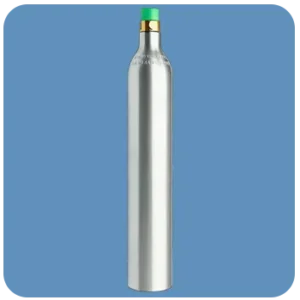
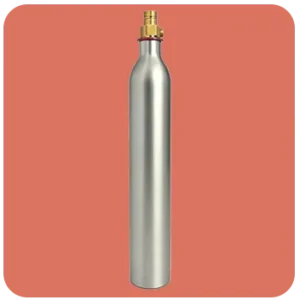
The most immediately noticeable difference between aluminum and steel CO2 cylinders is weight. A standard 425g CO2 cylinder made from aluminum typically weighs 30-40% less than its steel counterpart of equivalent volume. This weight difference has significant implications:
- Shipping costs: Lighter cylinders reduce freight costs, particularly for air shipping. For B2B exporters shipping containers of cylinders, the weight savings can translate to thousands of dollars per shipment.
- End-user convenience: For soda water machine applications, lighter cylinders are easier for consumers to handle and install. This improves the user experience and reduces the likelihood of damage during installation.
- Vending and dispensing equipment: Lighter cylinders reduce the load on dispensing equipment and make cylinder changes easier in commercial settings.
However, weight is not always an advantage. In some applications, the heavier feel of steel conveys a sense of quality and durability that some markets prefer.
Corrosion Resistance: Aluminum Has a Clear Advantage
Corrosion is one of the primary failure modes for CO2 cylinders. Both the external surface and the internal surface are exposed to conditions that can cause corrosion over time.
Aluminum cylinders naturally form a protective oxide layer when exposed to air, making them highly resistant to corrosion. This is particularly important for:
- Marine and coastal environments where salt air accelerates steel corrosion
- Applications where cylinders are frequently handled, as sweat and oils from hands can corrode steel over time
- Storage in humid environments where condensation can form on cylinder surfaces
Steel cylinders are vulnerable to both surface rust and internal corrosion, particularly when exposed to moisture. While steel cylinders can be coated with paint or epoxy, these coatings can chip or wear over time, exposing bare metal to corrosion. Once corrosion begins on a steel cylinder, it can spread rapidly and compromise structural integrity.
For B2B buyers serving markets in tropical or coastal regions, aluminum is almost always the better choice due to its superior corrosion resistance.
Cost Analysis: Steel Is Generally Cheaper but Total Cost Differs
At the manufacturing level, steel is typically less expensive than aluminum. A steel CO2 cylinder may cost 15-25% less to produce than an equivalent aluminum cylinder. However, the total cost of ownership includes more than just the unit price:
| Cost Factor | Aluminum | Steel |
|---|---|---|
| Unit manufacturing cost | Higher | Lower |
| Shipping cost (per unit) | Lower (lighter weight) | Higher (heavier weight) |
| Coating/painting cost | Optional (naturally corrosion-resistant) | Mandatory (rust prevention) |
| Defect/rejection rate | Generally lower | Higher (weld defects, coating issues) |
| Lifecycle expectancy | Longer (no corrosion) | Shorter (corrosion-limited) |
When you factor in shipping costs, particularly for international B2B trade where freight is calculated by weight, the cost gap narrows significantly. For air-freighted orders, aluminum may actually be cheaper on a landed-cost basis.
Pressure Performance and Safety Margins
Both aluminum and steel can be engineered to meet the pressure requirements for CO2 cylinder applications. However, their failure modes differ:
Aluminum cylinders tend to fail in a ductile manner, meaning they deform before bursting. This provides a visible warning sign before catastrophic failure. Aluminum also has a more predictable fatigue life, making it easier to calculate safe service lifespans.
Steel cylinders can be manufactured with higher tensile strength, allowing for thinner walls and lighter weights than basic aluminum alloys. However, steel is susceptible to brittle failure under certain conditions, particularly at low temperatures. Steel cylinders must be tested for impact resistance in cold environments.
For soda machine applications where working pressures are moderate (typically 800-1000 PSI), both materials provide adequate safety margins when properly manufactured. The choice often comes down to factors beyond pure pressure performance.
Surface Finish and Aesthetics
For consumer-facing applications like soda water machines, the visual appearance of the cylinder matters. Aluminum cylinders can be:
- Anodized in various colors for a premium appearance
- Brushed for a modern, metallic finish
- Polished to a mirror finish
- Powder-coated for custom branding
Steel cylinders are typically painted, which limits finish options. While paint can be applied in any color, painted surfaces are susceptible to chipping, scratching, and fading over time. For premium product lines, aluminum’s finishability gives it a clear advantage.
Recyclability and Environmental Impact
Both aluminum and steel are highly recyclable, but aluminum has a significant environmental advantage:
- Aluminum recycling uses only 5% of the energy required for primary aluminum production. Recycled aluminum retains 100% of its original properties, making it infinitely recyclable without quality loss.
- Steel recycling is also efficient but requires more energy than aluminum recycling relative to primary production.
For B2B buyers serving markets with strong environmental regulations or targeting eco-conscious consumers, aluminum’s recyclability can be a marketing advantage.
Regulatory and Compliance Considerations
Both aluminum and steel CO2 cylinders can meet international safety standards, but the certification paths differ:
- DOT-3AL (US): Applies specifically to aluminum cylinders. Steel cylinders use DOT-3AA certification.
- TPED (EU): Both materials can be certified under this directive, but aluminum typically has a smoother certification process due to fewer material-specific testing requirements.
- PSE (Japan): Both materials are certifiable, but steel requires additional impact testing.
If your target market has material-specific regulations, verify that your chosen material has an established certification path before committing to production.
Application-Specific Recommendations
Soda Water Machine Cylinders (425g)
For the most common B2B application—425g CO2 cylinders for soda water machines—aluminum is the recommended material. Its light weight, corrosion resistance, and aesthetic flexibility align perfectly with this application’s requirements.
Commercial Beverage Dispensing
For commercial settings where cylinders are frequently changed and handled roughly, steel may be preferred for its dent resistance. However, aluminum’s weight advantage reduces worker fatigue during cylinder changes.
Industrial and Laboratory Applications
For industrial use where appearance matters less and cost is the primary driver, steel cylinders offer a cost-effective solution. Their heavier weight is less of a concern in stationary applications.
Conclusion: Making the Right Choice
The aluminum vs. steel decision for CO2 cylinders depends on your specific application, target market, cost structure, and quality requirements. For most B2B soda water machine applications, aluminum is the superior choice due to its combination of light weight, corrosion resistance, and aesthetic flexibility. Steel remains viable for cost-sensitive applications where weight is not a critical factor.
At VS Cylinder, we specialize in aluminum CO2 cylinders for soda water machine applications. Our cylinders meet international safety standards and are available for B2B wholesale and OEM/ODM manufacturing. Contact us to discuss your material requirements and receive a customized quote for your CO2 cylinder sourcing needs.